best time to visit seattle vancouver
Planning a trip to the stunning Pacific Northwest? Determining the best time to visit Seattle and Vancouver is the key to unlocking the perfect blend of urban exploration, natural beauty, and cultural experiences. These two iconic cities, separated by just a 2.5-hour drive (or a scenic train ride), share a similar maritime climate but offer distinct seasonal charms. Whether you're dreaming of sunny hikes, vibrant festivals, or cozy urban escapes, this guide will help you navigate the weather, crowds, and events to find your ideal travel window.
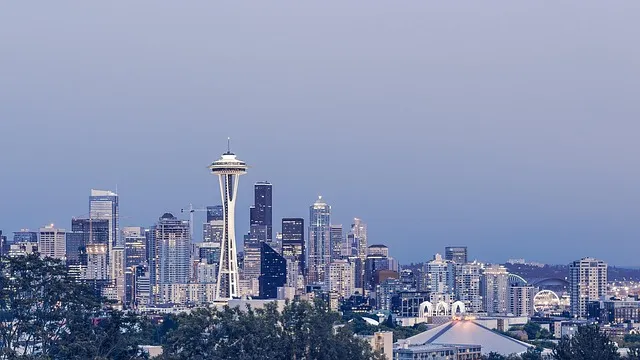
Understanding the Pacific Northwest Climate
Both Seattle and Vancouver experience a temperate oceanic climate, characterized by mild, wet winters and warm, dry summers. However, microclimates and regional variations mean timing is everything.
- Seattle's "Rainy" Reputation: Seattle gets about 37 inches of rain annually—less than many East Coast cities—but it's known for its frequent, light drizzle, especially from October through April. The summer dry season (July to early September) is pronounced and glorious.
- Vancouver's Milder Winters: Thanks to the moderating influence of the Pacific Ocean and protective mountains, Vancouver's winters are slightly milder than Seattle's, with less frequent snowfall in the city core. Its summers are similarly sunny and dry.
The overarching rule? Late spring through early fall (May to September) offers the most reliably pleasant weather for outdoor activities. However, each season has its dedicated followers and unique advantages.
Season-by-Season Breakdown: Weather, Crowds & Highlights
To choose your best time, consider what you value most: perfect weather, fewer tourists, lower prices, or specific festivals.
Spring (April - June)
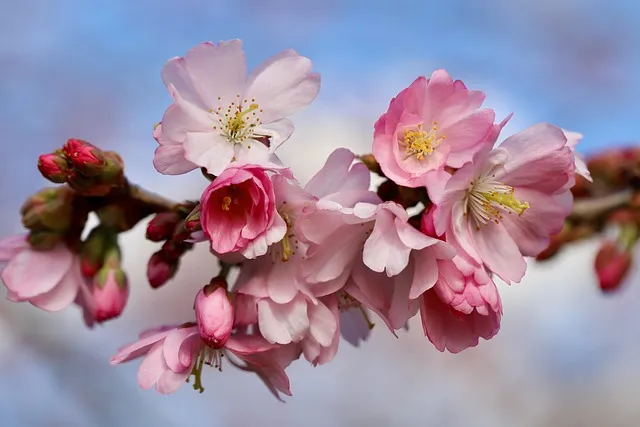
- Weather: Temperatures climb from the 50s to the 60s and 70s°F (10-25°C). This is the "shoulder season" where rain is still possible, but sunny days become more frequent. By late May and June, the region is lush, green, and stunning.
- Crowds & Cost: Crowds are moderate, building towards June. Hotel rates are more affordable than in peak summer.
- Why Visit: This is arguably one of the most beautiful times visually. It's perfect for:
- Witnessing spectacular cherry blossoms at the University of Washington (Seattle) or in Vancouver's parks.
- Hiking in the North Cascades or around Vancouver when trails are snow-free and wildflowers bloom.
- Enjoying the Vancouver International Wine Festival (April/May) and Seattle International Film Festival (May/June).
Summer (July - Early September)
- Weather: The gold standard for weather. Expect long, sunny days with highs in the 70s to low 80s°F (21-28°C), minimal rain, and low humidity. This is the ideal time for all outdoor pursuits.
- Crowds & Cost: This is peak tourist season. Major attractions will be busy, and accommodation prices are at their highest. Book everything well in advance.
- Why Visit: For festival lovers and sun-seekers, this is the best time to visit Seattle and Vancouver.
- Experience iconic events like Seattle's Seafair (July/August) and Vancouver's Celebration of Light fireworks competition (July/August).
- Enjoy kayaking on Puget Sound, sailing in English Bay, or taking a ferry to the San Juan Islands or Vancouver Island.
- Dine al fresco at vibrant patios and farmers' markets bursting with fresh produce.
Fall (Late September - November)
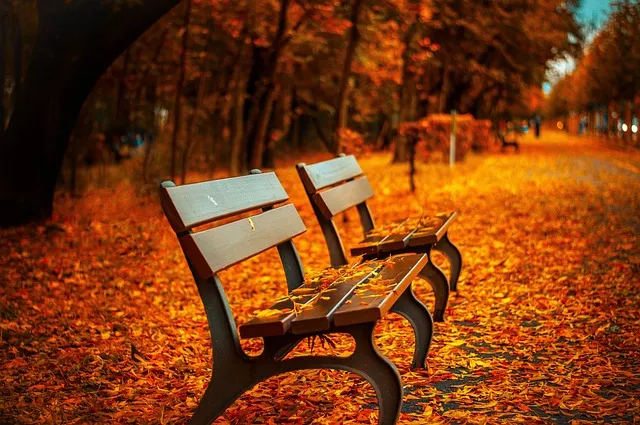
- Weather: Crisp air and changing leaves. September can still feel like summer, but by late October, temperatures drop into the 50s°F (10-15°C), and the rainy season begins. This "shoulder season" offers a mix of gorgeous sunny days and moody, atmospheric ones.
- Crowds & Cost: Crowds dissipate quickly after Labor Day, leading to better hotel deals and shorter lines. By late fall, you'll find significant savings.
- Why Visit: Ideal for foodies, culture enthusiasts, and those who love autumn colors.
- Savor the harvest at local wineries in Washington's Woodinville or British Columbia's Okanagan Valley.
- Enjoy Vancouver International Film Festival (September/October) and Seattle's arts scene as the cultural calendar kicks into gear.
- Photograph stunning fall foliage in Stanley Park (Vancouver) or the Washington Park Arboretum (Seattle).
Winter (December - March)
- Weather: Cool, wet, and gray. Highs are typically in the 40s°F (4-9°C), with overcast skies and rain. Snow is rare in the city centers but blankets the nearby mountains.
- Crowds & Cost: The lowest tourist crowds (except for holiday weeks) and the best hotel rates of the year.
- Why Visit: A fantastic time for budget travelers, urban cozy culture, and ski enthusiasts.
- World-class skiing and snowboarding are just 1-2 hours away at Whistler Blackcomb (from Vancouver) or Stevens Pass/Snoqualmie (from Seattle).
- Experience festive holiday markets, lights, and events like the Christmas Ship Festival.
- Enjoy museums, coffee shops, and the thriving food scene without the summer crowds.
Practical Tips for Your Visit
- Pack for Layers: Regardless of the season, the weather can change quickly. A waterproof jacket, comfortable walking shoes, and layers are essential.
- Border Crossing: If traveling between cities, ensure you have the necessary travel documents (e.g., passport, ESTA/visa for U.S. entry, eTA/visa for Canadian entry). Check current wait times at the Peace Arch or Pacific Highway crossings.
- Book Early for Summer: For a July or August trip, book flights, hotels, and popular tours several months in advance.
- Consider a City Pass: Both cities offer discounted attraction passes (like the Seattle CityPASS or Vancouver Attractions Pass), which can provide great value, especially in peak season.
Frequently Asked Questions (FAQ)
What is the absolute best month to visit for good weather? July and August offer the most consistently warm, dry, and sunny weather in both cities, maximizing your chances for perfect outdoor conditions.
Is it possible to visit both cities in one trip? Absolutely. They are only about 140 miles apart. You can drive, take the convenient Amtrak Cascades train (a scenic 4-hour journey), or a quick flight. A 5-7 day trip allows a good taste of both.
Which city is better to visit in the winter? Vancouver often has slightly milder winter temperatures and more winter sun breaks than Seattle. Its proximity to Whistler also makes it a premier base for skiers.
When is the cheapest time to fly and stay? Late fall (November, excluding Thanksgiving) and winter (January-February, excluding holidays) typically offer the lowest airfares and hotel rates.
Is the "rainy season" really that bad? It's a matter of perspective. The rain is usually a light mist or drizzle, not torrential downpours. The landscapes are incredibly green and lush, and the cities are alive with indoor culture. Just come prepared with the right gear.
Conclusion
The best time to visit Seattle and Vancouver ultimately depends on your personal travel style. For picture-perfect sunny days and festival energy, target the summer months and plan ahead. For beautiful scenery with fewer people and lower costs, the spring and fall shoulder seasons are exceptional choices. And for budget-friendly urban culture and epic mountain skiing, winter holds its own unique magic. No matter when you choose to explore these dynamic Pacific Northwest gems, you'll find a welcoming blend of natural splendor and cosmopolitan charm waiting for you.
Related Articles
Cover image coming soon
Best Time to Visit Thailand
Discover the best time for visit thailand. Complete guide with expert tips and data-driven insights.

best time to visit walt disney world in florida

when is the best time to go to costa rica

best time to visit redwood national park

best time to visit the galapagos islands
