best time to visit shimla india
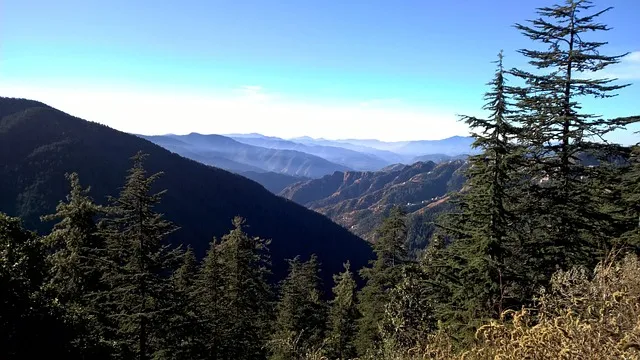
Nestled in the foothills of the Himalayas, Shimla is the quintessential Indian hill station, famed for its colonial-era architecture, cool mountain air, and panoramic views. Once the summer capital of British India, it now beckons travelers year-round with its unique charm. However, its varied seasons offer dramatically different experiences, making the timing of your visit crucial. Determining the best time to visit Shimla, India, depends entirely on what you seek: snow-dusted romance, blooming spring walks, or vibrant summer festivals. This guide breaks down the seasonal highlights, weather patterns, and crowd levels to help you plan your perfect Himalayan getaway.

Seasonal Breakdown: When to Go for Your Ideal Trip
Shimla experiences three primary seasons: a pleasant summer, a lush monsoon, and a chilly winter. Each period transforms the landscape and the local vibe.
1. Spring and Summer (March to June): The Peak Season
- Weather: This is the most popular time to visit. Temperatures range from a comfortable 15°C to 30°C (59°F to 86°F), with clear, sunny days and cool, breezy evenings.
- Why Visit: Ideal for sightseeing, trekking, and outdoor activities without the bitter cold. The famous Shimla Summer Festival, usually in May/June, features cultural performances, flower shows, and local shopping fairs.
- Considerations: This is the peak tourist season. The Mall Road and popular attractions like Christ Church and Jakhoo Temple can be crowded, and hotel prices are at their highest. Book well in advance.
2. Monsoon (July to September): The Lush, Quiet Escape
- Weather: The region receives moderate to heavy rainfall. Temperatures drop to between 14°C and 25°C (57°F to 77°F). The hills turn a vibrant, emerald green, and mist often shrouds the valleys.
- Why Visit: For photographers and solitude seekers, the monsoon offers breathtakingly lush scenery and fewer crowds. It’s a budget-friendly time with lower accommodation rates.
- Considerations: Landslides can occasionally block roads, and outdoor trekking plans may be disrupted. Pack waterproof gear and be flexible with travel plans.
3. Autumn (October to November): The Sweet Spot
- Weather: Post-monsoon, the air is crisp and clear. Daytime temperatures are pleasant (10°C to 22°C / 50°F to 72°F), while nights start getting colder.
- Why Visit: Often considered one of the best times to visit Shimla, autumn offers clear skies for stunning Himalayan views, comfortable weather for exploration, and the beautiful changing colors of the oak and rhododendron forests. The tourist crowds have thinned after the summer rush.
4. Winter (December to February): The Snowy Wonderland
- Weather: Cold and often snowy, especially in January. Temperatures can plummet to -2°C to 7°C (28°F to 45°F) and lower in nearby areas like Kufri.
- Why Visit: If you dream of a white Christmas or want to experience snowfall, this is the time. It’s perfect for cozying up by a fireplace, enjoying the magical snow-covered landscapes, and partaking in winter sports like skiing and ice-skating in nearby resorts.
- Considerations: Many hotels and homes use room heaters, but central heating is rare. Pack heavy woolens. Road travel can be challenging due to snow and ice, and some minor roads may close.
Month-by-Month Guide & Key Events
To fine-tune your plans, here’s a quick monthly snapshot:
- March-April: Pleasant spring weather; flowers begin to bloom.
- May-June: Peak summer; bustling with tourists and the Summer Festival.
- July-September: Monsoon rains; lush greenery but travel disruptions possible.
- October-November: Ideal autumn clarity; great for photography and trekking.
- December-February: Cold winter; chance of snow, especially around New Year.
Practical Tips for Your Visit
No matter when you choose to go, a little planning goes a long way in enhancing your experience in Shimla.
- Book in Advance: Especially for summer and the Christmas/New Year period. This applies to hotels, trains (the scenic Kalka-Shimla toy train is a must-do), and even guided tours.
- Pack Appropriately: Layering is key. Even in summer, carry a light jacket for the evenings. In winter, thermal wear, heavy jackets, gloves, and waterproof boots are essential.
- Getting There: The nearest broad-gauge railway station is in Kalka, connected to Shimla by the UNESCO World Heritage toy train. The nearest airport is in Chandigarh (about 115 km away). Roads from Delhi and Chandigarh are well-maintained but can be busy on weekends.
- Local Travel: The core areas like The Mall and The Ridge are pedestrian-only. For getting around, use local taxis or simply enjoy walking the charming lanes.
Frequently Asked Questions (FAQ)
Q: What is the absolute best month to visit Shimla? A: For a balance of great weather, clear skies, and manageable crowds, October and November are often cited as the perfect months. For a vibrant, festive atmosphere, May during the Summer Festival is fantastic.
Q: Does it snow in Shimla in December? A: Snowfall in early December is possible but not guaranteed. The chances increase significantly from late December through February, with January being the coldest and snowiest month.
Q: Is Shimla crowded during the summer? A: Yes, the months of May and June see the highest influx of domestic tourists escaping the plains' heat. Weekends are particularly busy. For a quieter summer visit, aim for late March or April.
Q: Is the monsoon season a bad time to visit? A: Not necessarily "bad," but it comes with challenges. It's beautiful and budget-friendly but requires you to be prepared for rain and potential travel delays. It's best for travelers who prioritize scenery over strict itineraries.
Q: What should I not miss in Shimla? A: Key attractions include a stroll on The Mall Road, visiting the Christ Church, taking the toy train ride, seeking blessings at Jakhoo Temple, and taking a short trip to Kufri for panoramic views or adventure activities.
Conclusion
Ultimately, the best time to visit Shimla, India, is a personal choice shaped by your travel desires. Seek sunny skies and vibrant energy? Target the summer months. Dream of a snowy retreat? Plan for a winter visit. For the ideal blend of glorious weather, stunning vistas, and peaceful exploration, set your sights on the autumn months of October and November. Whenever you choose to go, Shimla’s timeless allure—with its colonial ghosts, mountain whispers, and warm hospitality—promises an unforgettable escape into the hills.
Related Articles
Cover image coming soon
Best Time to Visit Thailand
Discover the best time for visit thailand. Complete guide with expert tips and data-driven insights.

best time to visit walt disney world in florida

when is the best time to go to costa rica

best time to visit redwood national park

best time to visit the galapagos islands
