best time to visit skyline drive va
Skyline Drive, the scenic 105-mile roadway that winds along the crest of Virginia’s Blue Ridge Mountains in Shenandoah National Park, is a destination for breathtaking vistas, wildlife viewing, and outdoor recreation. Choosing the best time to visit Skyline Drive, VA, depends largely on what you hope to experience—whether it’s vibrant fall foliage, wildflower blooms, comfortable hiking weather, or serene winter landscapes. Each season paints the park with a distinct palette and offers unique activities, making it a year-round treasure. This guide will break down the seasonal highlights, weather patterns, and crowd levels to help you plan your perfect trip.

Seasonal Guide: Weather, Scenery, and Activities
Skyline Drive’s elevation, which ranges from about 600 to over 3,800 feet, creates a climate that is generally cooler and wetter than the surrounding Piedmont region. Here’s a detailed look at what to expect during each season.
🍂 Fall (Mid-September to Early November)
Peak Time: Mid-October is typically the absolute best time to visit for fall color.
- Weather: Crisp and cool, with daytime highs in the 50s-60s°F and chilly nights that can dip below freezing. Weather can be unpredictable, with rapid changes.
- Scenery: World-class. The hardwood forests erupt in a spectacular display of red, orange, and yellow. The views from overlooks like Stony Man or Marys Rock are unforgettable.
- Activities: Leaf-peeping drives, photography, hiking (especially on popular trails like Old Rag or Dark Hollow Falls), and attending ranger-led programs.
- Crowds: Extremely High, especially on weekends in October. Expect full parking lots at trailheads and slow-moving traffic. Visit on a weekday if possible.

🌸 Spring (April to Early June)
Peak Time: Late April through May for wildflowers; June for lush greenery.
- Weather: Variable and often wet. April can still see frost and even snow flurries. May and June bring milder temperatures (60s-70s°F) and frequent rain showers, which fuel the waterfalls.
- Scenery: A rebirth of green. The forest floor is carpeted with wildflowers like trillium, azaleas, and lady slippers. Waterfalls such as South River Falls and Whiteoak Canyon are at their most powerful.
- Activities: Wildflower viewing, waterfall hikes, birdwatching (spring migration), and enjoying the park before the peak summer crowds.
- Crowds: Moderate to High, increasing through May and into Memorial Day weekend. Weekdays are much quieter.
☀️ Summer (Late June to August)
Peak Time: July for deep green vistas, though it can be hazy.
- Weather: Warm and humid at lower elevations, but pleasantly cooler on the ridge. Daytime highs are typically in the 70s-80s°F. Afternoon thunderstorms are common and can be severe.
- Scenery: The mountains are cloaked in a dense, rich green canopy. Mornings often offer the clearest views before haze or storms develop.
- Activities: Long-distance hiking (including a section of the Appalachian Trail), camping, ranger programs at campgrounds, and stargazing on clear nights.
- Crowds: High, particularly on weekends and around July 4th. Lodges and campgrounds book up far in advance.
❄️ Winter (December to March)
Peak Time: For solitude and snowscapes, January and February.
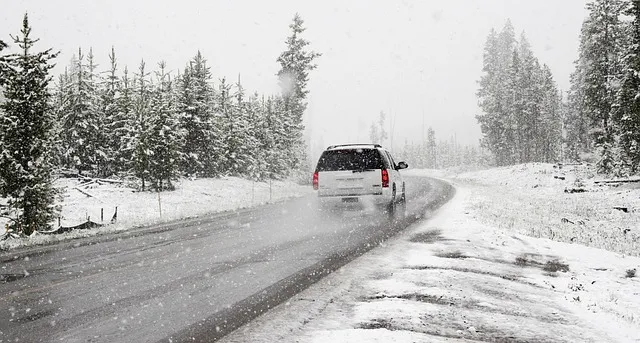
- Weather: Cold, with frequent closures due to snow and ice. Temperatures often stay below freezing, and wind chill can be significant. The northern section of the Drive closes most often.
- **Scenery Stark and beautiful, with frost-covered trees and long-range views through leafless forests. Snow transforms the landscape into a quiet wonderland.
- Activities: Snowshoeing, cross-country skiing (when conditions allow), photography, and enjoying profound solitude. The Byrd Visitor Center remains open for exhibits.
- Crowds: Very Low. You may have entire overlooks to yourself, but always check the National Park Service website for road status before you go.
Practical Tips for Planning Your Visit
Beyond picking a season, a few key tips will ensure a smoother and more enjoyable experience on Skyline Drive.
- Check Park Alerts: Always visit the official Shenandoah National Park website (nps.gov/shen) for real-time alerts on road closures, weather, trail conditions, and prescribed burns.
- Purchase a Pass: A park entrance pass is required. The 7-day vehicle pass is a great value. Consider the America the Beautiful Annual Pass if you plan to visit other national parks.
- Fuel and Supplies: There are no gas stations on Skyline Drive itself. Fill your tank in towns like Front Royal, Luray, or Waynesboro before entering. Pack water, snacks, and layers of clothing.
- Wildlife Safety: Deer, black bears, and turkeys are common. Never approach or feed wildlife. Observe from a safe distance, especially when viewing bears.
- Leave No Trace: Help preserve the park's beauty by packing out all trash, staying on designated trails, and respecting all natural and cultural features.
Frequently Asked Questions (FAQ)
Q: What is the absolute best month to visit Skyline Drive? A: For the quintessential experience of stunning color and pleasant weather, mid-October is the top choice. For wildflowers and rushing waterfalls, aim for mid-May.
Q: Is Skyline Drive open year-round? A: While Shenandoah National Park is open 365 days a year, Skyline Drive itself frequently closes for ice, snow, or high winds in winter, especially north of Thornton Gap. Closures are most common from December through March.
Q: How long does it take to drive the entire length of Skyline Drive? A: Without stopping, it takes about 3 hours to drive the 105 miles, as the speed limit is 35 mph. However, a realistic trip with stops at overlooks and a short hike will take a full day.
Q: Where are the best places to stay inside the park? A: Shenandoah offers several historic lodges like Skyland and Big Meadows Lodge, as well as four major campgrounds (some open seasonally). Reservations, especially for fall weekends, should be made well in advance.
Q: Can I visit for just a day? A: Absolutely. Many visitors access the Drive via one of the four entrance stations (Front Royal, Thornton Gap, Swift Run Gap, or Rockfish Gap) and explore a central section, enjoying several overlooks and a short hike like Dark Hollow Falls or Stony Man.
Conclusion
Determining the best time to visit Skyline Drive, VA, ultimately comes down to personal preference. Fall delivers unmatched scenic drama, spring offers renewal and blooming life, summer provides lush greenery and full access to trails, and winter gifts visitors with peaceful solitude. No matter when you choose to go, preparation is key: check weather and road conditions, pack appropriately, and arrive with a sense of adventure. By aligning your visit with the seasonal rhythms of the Blue Ridge Mountains, you’re guaranteed a memorable journey along one of America’s most beautiful scenic byways.
Related Articles
Cover image coming soon
Best Time to Visit Thailand
Discover the best time for visit thailand. Complete guide with expert tips and data-driven insights.

best time to visit walt disney world in florida

when is the best time to go to costa rica

best time to visit redwood national park

best time to visit the galapagos islands
