best time to visit smith rock state park
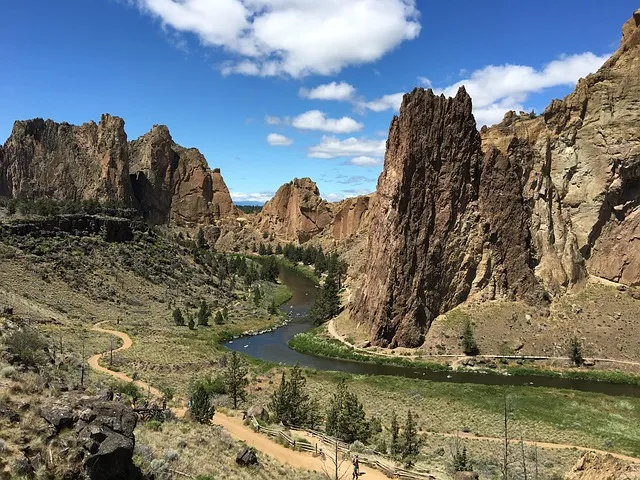
Smith Rock State Park, located in the high desert of Central Oregon near Terrebonne, is a world-renowned destination for rock climbing, hiking, and breathtaking scenery. Its iconic jagged cliffs, carved by the Crooked River, draw adventurers and nature lovers year-round. However, the park's dramatic landscape experiences significant seasonal shifts in weather and crowds. Determining the best time to visit Smith Rock State Park depends largely on your preferred activities, tolerance for temperature extremes, and desire for solitude. For most visitors seeking ideal conditions, the shoulder seasons of spring (April to early June) and fall (mid-September to October) offer the perfect balance of pleasant weather, manageable crowds, and stunning natural beauty.
Seasonal Guide: Weather, Crowds, and Activities
Smith Rock's climate is characterized by hot, dry summers and cold, sometimes snowy winters. Understanding each season's unique profile is key to planning your perfect trip.
Spring (April - Early June)
Weather: This is arguably the most pleasant time weather-wise. Daytime highs range from the comfortable 60s to low 80s°F, while nights are cool. Wildflowers, including lupine and balsamroot, often bloom across the park's plateaus in May and June. Crowds: Moderate to high, especially on weekends. This is peak season for climbers and fair-weather hikers. Best For: Hiking all trails (like the iconic Misery Ridge), multi-pitch climbing, photography with green vegetation and wildflowers, and wildlife viewing (birds of prey are very active). Considerations: Afternoon winds can pick up. The river may be higher from snowmelt. Book accommodations well in advance.
Summer (Late June - August)
Weather: Hot and dry, with frequent highs in the 90s and often exceeding 100°F. The sun is intense with minimal shade on most trails. Crowds: Very high on weekends, but thinner on weekday mornings. The park's main parking lot often fills by 8 AM. Best For: Early morning or late evening hiking and climbing. River access for wading to cool off. Experienced climbers who start at dawn. Considerations: Heat is a serious safety concern. Carry excessive water (at least 1 gallon per person), wear sun protection, and plan to be off exposed trails by midday.
Fall (Mid-September - October)
Weather: A return to ideal conditions. Days are warm (70s-80s°F) and sunny, while nights become crisp. The summer heat dissipates, and the light is excellent for photography. Crowds: Moderate and decreasing as October progresses. Weekdays can be wonderfully quiet. Best For: All activities—hiking, climbing, trail running, and photography. The autumn light on the russet and gold cliffs is spectacular. Considerations: Weather becomes more variable in late October, with a chance of early cold snaps. Days are shorter.
Winter (November - March)
Weather: Cold, with daytime highs typically in the 40s and occasional snow or ice. Inversions can sometimes trap fog and freezing rain in the canyon. Crowds: Very low, offering a profound sense of solitude. Best For: Photography in dramatic, moody conditions, peaceful hiking for those prepared for ice (microspikes recommended), and hardcore climbers seeking specific winter routes. Considerations: Trails, especially Misery Ridge, can be icy and treacherous. Daylight hours are short. Facilities may have reduced hours. Check road and park conditions before visiting.

Practical Tips for Your Visit
Beyond picking a season, a few key tips will ensure a safe and enjoyable experience at Smith Rock.
- Arrive Early: This is the single best piece of advice year-round. Parking is limited and fills quickly. An early start (by 7 AM) guarantees a spot and lets you enjoy the cool, quiet morning hours.
- Hydrate Aggressively: The desert air is deceptively dry. Carry more water than you think you need—a minimum of one liter per hour of activity in summer.
- Respect the Environment: Smith Rock is a fragile ecosystem. Stay on designated trails, pack out all trash, and keep dogs on leash (required in most areas).
- Check Closures: Be aware of seasonal raptor nesting closures on certain cliffs (typically February 1st through July 31st). These are critical for protecting peregrine falcons and other birds. Check the Oregon State Parks website for current closure maps.
- Lodging: Camping is available at the park's Bivy Campground (walk-in, tent-only). Nearby Redmond, Bend, and Terrebonne offer hotels, vacation rentals, and additional campgrounds.
Frequently Asked Questions (FAQ)
What is the absolute best month to visit Smith Rock? For near-perfect conditions, May and late September are top contenders. May offers wildflowers and long days, while September provides warm, stable weather with fewer crowds.
Is Smith Rock too crowded to enjoy? It can be on summer and spring weekends. To avoid crowds, visit on a weekday, arrive before 8 AM, or plan your trip for the fall or winter seasons.
Can I visit in the winter? Yes, but come prepared. Trails may be icy, so traction devices like microspikes are essential. The scenery under a dusting of snow is stunning, and you'll have the park largely to yourself.
What should I not miss on my first visit? The Misery Ridge Trail loop (strenuous but rewarding) offers the park's most iconic views. The easier River Trail provides beautiful canyon perspectives. Even if you're not a climber, watching athletes on formations like Monkey Face is a memorable experience.
Are there entrance fees? Yes. Smith Rock State Park requires a $5 daily parking permit or a valid Oregon State Parks annual pass. Passes are available from fee machines at the main parking area.
Conclusion
Choosing the best time to visit Smith Rock State Park is a personal calculation balancing weather, activity goals, and crowd tolerance. While the golden hours of spring and fall provide the most universally appealing experience, each season paints the park's majestic cliffs in a different light. Whether you're chasing the perfect climbing conditions under a spring sun, seeking a serene winter hike, or aiming to capture the landscape at sunrise with your camera, Smith Rock rewards the prepared visitor with an unforgettable encounter with the raw beauty of the Oregon high desert. By planning ahead—checking the weather, arriving early, and packing essentials—you can ensure your visit to this iconic park is both safe and spectacular.
Related Articles
Cover image coming soon
Best Time to Visit Thailand
Discover the best time for visit thailand. Complete guide with expert tips and data-driven insights.

best time to visit walt disney world in florida

when is the best time to go to costa rica

best time to visit redwood national park

best time to visit the galapagos islands
