best time to visit spiti valley
Nestled high in the Himalayas of Himachal Pradesh, India, Spiti Valley is a remote, rugged, and breathtakingly beautiful destination often called "Little Tibet." For adventurous travelers from the United States seeking stark landscapes, ancient monasteries, and a profound sense of solitude, timing is everything. The best time to visit Spiti Valley is a critical decision, as its extreme altitude and harsh climate dictate accessibility and the overall experience. This guide breaks down the seasons to help you plan an unforgettable journey to this cold desert mountain valley.

Understanding Spiti Valley's Seasons
Spiti's climate is defined by short, accessible summers and long, intensely cold winters where the valley is often cut off from the world. The primary travel window is limited, but each season within it offers a distinct flavor.
Summer (Mid-May to Late June)
This is the beginning of the tourist season and one of the most popular times to visit.
- Weather: Days are pleasantly cool (10°C to 20°C / 50°F to 68°F), but nights can still be cold, dipping near freezing. Sunlight is strong at high altitude.
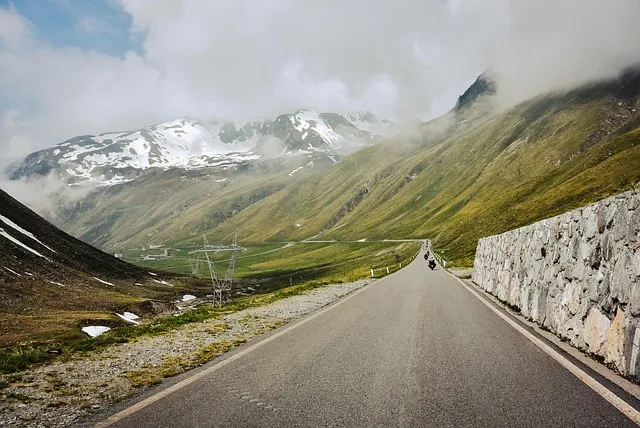
- Pros: All roads, including the famous Manali-to-Spiti route (Kunzum Pass) and the Spiti Valley circuit, open by late May or early June. The landscape starts to thaw, revealing dramatic vistas. It's ideal for trekking, monastery visits, and photography without the peak crowds of July-August.
- Cons: Some high-altitude lakes or passes might still have residual snow. It can be windy.
Peak Season / Monsoon (July to Mid-September)
This is the most accessible and vibrant time, coinciding with summer holidays and the Indian monsoon.
- Weather: Daytime temperatures are at their warmest (15°C to 25°C / 59°F to 77°F). Notably, Spiti lies in a rain shadow, so while the rest of the Himalayas is drenched, Spiti receives very little rainfall, offering clear blue skies.
- Pros: All attractions are fully accessible. This is the time for festivals like the Chakhar Festival in Tabo. The valley is lush near riverbeds, and local life is most active.
- Cons: This is the busiest time. Accommodation prices are highest, and popular spots like Key Monastery can get crowded. The Manali route, while open, can be prone to landslides on the approach from the Parvati Valley side.
Autumn (Late September to October)
Many seasoned travelers consider this the absolute best time to visit Spiti Valley for a perfect balance.
- Weather: Crisp, clear, and cold. Days are sunny and cool (5°C to 15°C / 41°F to 59°F), while nights start to plummet below freezing.
- Pros: Crowds thin out dramatically after September. The air is crystal clear, offering unmatched visibility for photography. The landscape takes on golden hues, and the stargazing is phenomenal. Road conditions are still stable before the winter closures begin.
- Cons: Temperatures drop sharply, especially at night. The Manali route via Kunzum Pass typically closes by mid-October after the first heavy snowfall.
Winter and Shoulder Seasons: For the Extreme Adventurer
Late Autumn & Early Winter (November)
- Status: The valley begins to shut down. The Manali route is closed. Access is only possible via the year-round Shimla-Kinnaur route, which itself can be blocked by snow at the high Reckong Peo to Kaza stretch.
- Experience: Extremely cold (-10°C to 5°C / 14°F to 41°F) and isolated. Only for those seeking extreme winter photography, unparalleled solitude, and a chance to experience the authentic, inward-facing life of Spiti.
Winter (December to April)
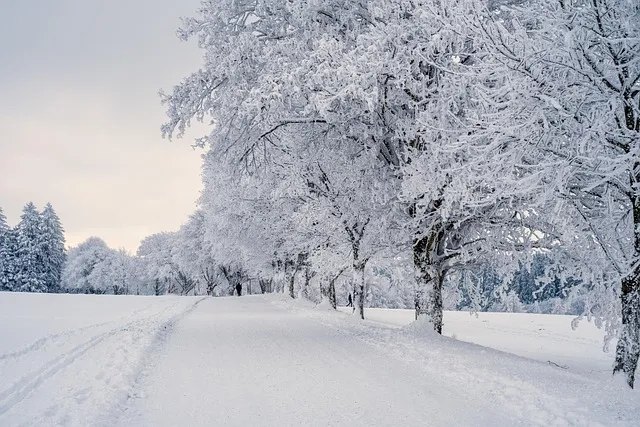
- Status: Spiti is largely inaccessible and not recommended for general tourism. Heavy snow blankets the valley, temperatures can crash to -30°C (-22°F), and most guesthouses close. The region is accessible only to researchers, very experienced winter expedition teams, or locals.
Practical Tips for Planning Your Visit
- Acclimatize Seriously: Spiti's average altitude is over 3,800 meters (12,500 ft). Spend at least 2 nights in Shimla or Manali to acclimatize before ascending. Avoid flying directly into the region.
- Route Planning: The classic circuit is Shimla -> Kinnaur -> Spiti -> Manali (or vice versa). Confirm road statuses (Kunzum Pass, Rohtang Pass/Atal Tunnel) with local authorities or tour operators before your trip, as openings can shift yearly.
- Permits: Foreign nationals (including U.S. citizens) require an Inner Line Permit (ILP) to visit Spiti Valley. These can be obtained online or in person in Shimla, Reckong Peo, or Kaza. Always carry multiple photocopies of your passport and permit.
- Packing Essentials: Regardless of summer, pack layers, a high-quality down jacket, thermal wear, a beanie, gloves, UV-protection sunglasses, and strong sunscreen. Sturdy hiking boots are a must. Include lip balm and moisturizer for the dry air.
Frequently Asked Questions (FAQ)
Q: Can I visit Spiti Valley in May? A: Early May is risky as the Kunzum Pass may not be open, limiting you to the Shimla-Kinnaur route. Late May is a safer bet for the full circuit, but always check current year road reports.
Q: Is July-August a good time despite the monsoon? A: Yes, for Spiti itself. The valley remains dry and sunny. However, the roads leading to Spiti from Manali or Shimla can be affected by landslides in the surrounding monsoon-prone regions. Travel can be unpredictable but the destination is spectacular.
Q: What is the worst time to visit Spiti Valley? A: The deep winter months from December through March are the worst for general tourism due to extreme cold, road closures, and a lack of tourist infrastructure. It is a period of isolation for the valley.
Q: How many days are needed for a Spiti Valley trip? A: A minimum of 7-10 days is recommended to complete the circuit from Shimla or Manali, allowing time for acclimatization, road travel, and visiting key sites like Kaza, Key Monastery, Kibber, Langza, and the Pin Valley.
Q: Is it safe for solo travelers? A: Yes, Spiti is generally very safe. However, due to the remote terrain and altitude, traveling with a partner or group is advisable for safety and shared logistics. Joining a guided tour is an excellent option for first-time visitors.
Conclusion
Choosing the best time to visit Spiti Valley ultimately depends on your priorities. For optimal weather, accessibility, and vibrant local life, July to September is ideal. For pristine skies, fewer crowds, and stunning photography, late September to October is unbeatable. If you crave the first glimpse of the valley as it awakens, aim for late May or June. Whenever you choose to go, a trip to Spiti is less of a holiday and more of a transformative expedition. Proper planning, respect for the environment and culture, and a flexible spirit are your most valuable companions for discovering the raw, majestic beauty of this Himalayan treasure.
Related Articles
Cover image coming soon
Best Time to Visit Thailand
Discover the best time for visit thailand. Complete guide with expert tips and data-driven insights.

best time to visit walt disney world in florida

when is the best time to go to costa rica

best time to visit redwood national park
best time to visit the galapagos islands
