best time to visit tibet china 90
Tibet, often called the "Roof of the World," is a destination of profound spiritual significance and breathtaking natural beauty. Determining the best time to visit Tibet, China is crucial for a safe, comfortable, and enriching experience. The ideal window generally falls between April and October, with late spring (May-June) and early autumn (September-October) being the absolute peak seasons. This period offers the most favorable weather, accessible high-altitude passes, and vibrant cultural festivals. However, each season in Tibet presents a unique character, from snowy winter serenity to lush summer landscapes. This guide will break down the climate, festivals, and practical considerations for each season to help you plan your unforgettable journey to this autonomous region.

Understanding Tibet's Climate and Seasons
Tibet's climate is a high-altitude plateau climate, characterized by thin air, intense sunlight, and dramatic temperature swings between day and night. The weather is generally dry, but conditions vary significantly by season and elevation.
Spring (April to June)
- Weather: Days become pleasantly warm, with temperatures ranging from 50°F to 68°F (10°C to 20°C) in Lhasa. Nights remain cold. The landscape starts to turn green, and flowers begin to bloom.
- Pros: This is the start of the tourist season. Crowds are smaller than in peak autumn. The weather is stable, making it excellent for sightseeing and beginning treks.
- Cons: Early April can still be quite chilly, especially at night and around Mount Everest Base Camp.
Summer (July to August)
- Weather: This is the warmest and wettest period, with Lhasa seeing daytime highs around 77°F (25°C). This is Tibet's monsoon season, but rainfall is still modest compared to other Asian regions, often coming as afternoon showers.
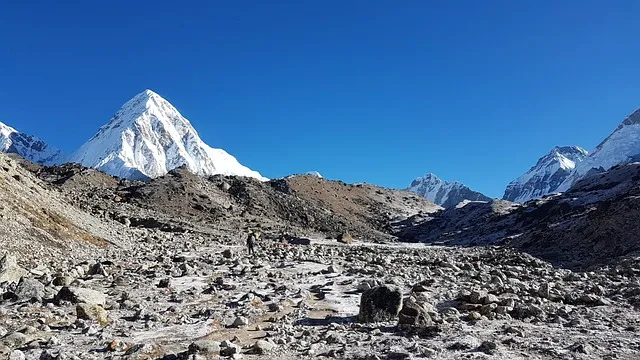
- Pros: The landscape is at its greenest. All roads and high passes, including those to Everest Base Camp and Mount Kailash, are fully accessible.
- Cons: This is the peak of Chinese domestic tourism, so major sites can be crowded. Cloud cover can sometimes obscure mountain views. July and August see the most rainfall.
Autumn (September to October)
- Weather: Arguably the best weather. Days are clear, sunny, and mild, with crisp air. Temperatures are similar to spring but with less rain. Nighttime temperatures drop significantly.
- Pros: Excellent visibility for panoramic mountain views, including Everest. Stable weather is perfect for photography, trekking, and the famous Kora pilgrimage. Major festivals like Shoton occur.
- Cons: This is the most popular time for international tourists, leading to higher prices for flights and tours. Advance booking is essential.
Winter (November to March)
- Weather: Cold and dry, with intense sunshine. Daytime temperatures in Lhasa can be a manageable 46°F (8°C), but nights plunge below freezing. Remote areas are extremely cold and often inaccessible due to snow.
- Pros: Few tourists, lower prices, and incredibly clear skies. A unique opportunity to experience local life and winter festivals without crowds.
- Cons: Many tourist sites, including Everest Base Camp and the road to Mount Kailash, are closed. Some guesthouses and services in remote areas shut down. The cold can be severe, especially for acclimatization.
Key Factors for Choosing Your Travel Dates
Beyond the weather, several other critical factors should influence your decision on when to visit Tibet.
Major Tibetan Festivals
Aligning your trip with a festival can be a highlight. Note that dates change yearly based on the lunar calendar.
- Losar (Tibetan New Year): Usually in February/March. A fantastic cultural immersion, but travel can be challenging due to closures and cold.
- Saga Dawa Festival: Celebrates Buddha's birth, enlightenment, and parinirvana. In May or June, it's a sacred month with pilgrims circumambulating holy sites.
- Shoton (Yogurt) Festival: Held in August (or late July). Features the unveiling of a giant thangka at Drepung Monastery and traditional Tibetan opera performances in Lhasa.
- Tibet National Day (September 1): A modern political holiday with parades; expect heightened security.
Travel Permits and Practicalities
All foreign travelers require a Tibet Travel Permit, arranged through a registered tour operator. The permit process can be slower during national Chinese holidays (Chinese New Year in Jan/Feb, National Week in early October). Booking your tour and permits 2-3 months in advance for peak seasons (May-Jun, Sep-Oct) is strongly advised.
Altitude Considerations
Regardless of when you visit, acclimatization to the high altitude (Lhasa is at 11,975 ft / 3,650 m) is paramount. The milder weather in spring and autumn can make initial acclimatization slightly easier than in the intense cold of winter.
Month-by-Month Breakdown
- April & May: The season opens. Great for avoiding peak crowds. Nature awakens.
- June: Ideal pre-monsoon weather. Perfect for trekking and festivals like Saga Dawa.
- July & August: Warm, green, and festive (Shoton). Busy and occasionally rainy.
- September & October: Prime time. Best weather, clear skies, and harvest scenery.
- November: A shoulder month. Can be good for Lhasa visits if you don't mind the cold, but remote areas close.
- December to March: For the hardy traveler. Experience deep culture and winter solitude in Lhasa and lower valleys.
Frequently Asked Questions (FAQ)
Q: Can I visit Tibet independently? A: No. Independent travel is not permitted for foreign passport holders. You must book a tour with a licensed travel agency who will obtain your Tibet Travel Permit and provide a guide and private vehicle for the duration of your stay.
Q: Is it safe to visit Tibet in winter? A: Visiting Lhasa and lower-elevation areas in winter is generally safe if you are prepared for extreme cold and potential itinerary limitations due to closures. Acclimatization can be tougher in the cold. Always travel with an experienced local guide.
Q: What is the single best month to visit Tibet? A: October is often considered the absolute best month. It combines the clear, stable skies of autumn with comfortable daytime temperatures and stunning landscapes, right after the summer rains have passed.
Q: When should I avoid visiting? A: The weeks surrounding Chinese New Year (late Jan/early Feb) can be difficult due to mass domestic travel, closures, and complex permit logistics. The heart of winter (January & February) is very cold with limited access.
Q: What should I pack? A: Regardless of season, pack layers! Include a warm down jacket, thermal base layers, a hat, sunglasses, and high-SPF sunscreen due to the intense UV rays. Sturdy, broken-in hiking boots are essential. For spring/autumn, focus on insulating layers. For summer, include a rain jacket. For winter, prioritize extreme cold-weather gear.
Conclusion
Choosing the best time to visit Tibet, China ultimately depends on your priorities. For the optimal blend of glorious weather, open roads, and cultural vibrancy, aim for late spring (May-June) or early autumn (September-October). If you seek lush landscapes and don't mind some rain and crowds, summer has its charm. Adventurous souls looking for deep cultural immersion and solitude may find winter uniquely rewarding. No matter when you go, a journey to Tibet requires careful planning through an authorized tour operator. By aligning your travel dates with the season that best matches your interests—be it trekking, festival-going, or photography—you'll ensure your visit to the majestic Roof of the World is truly transcendent.