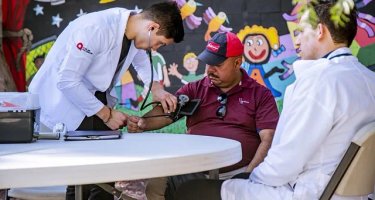
best time to check blood sugar in the morning
For individuals managing diabetes or monitoring their metabolic health, understanding the best time to check blood sugar in the morning is crucial for accurate readings and effective daily management. Morning glucose levels can be influenced by various factors, including overnight hormonal changes, food intake from the previous evening, and medication timing. Establishing a consistent testing routine helps in identifying patterns, making informed decisions about diet and medication, and reducing the risk of complications. This guide will explore the optimal timing, the science behind morning glucose fluctuations, and practical tips for integrating this practice into your daily life.
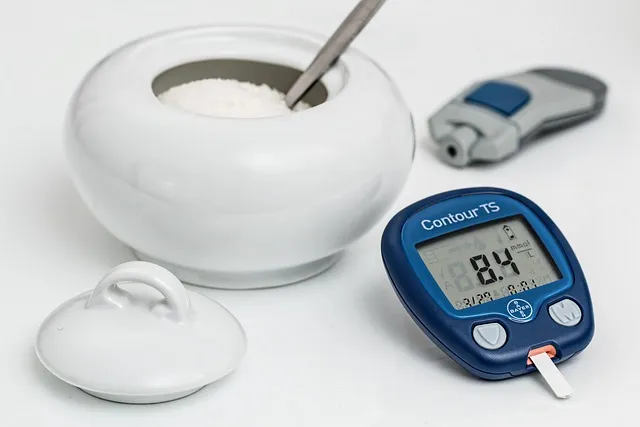
Why Morning Blood Sugar Monitoring Matters
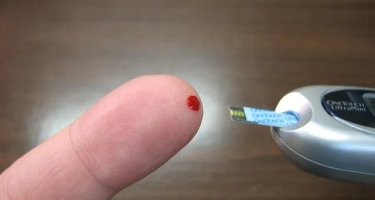
Morning blood sugar readings, often referred to as fasting blood glucose, provide a baseline that reflects how your body manages glucose overnight. For most people, the ideal time to check is immediately upon waking, before consuming any food or beverages (other than water). This typically means after an 8–12 hour fast. The American Diabetes Association recommends aiming for a fasting blood sugar level between 80–130 mg/dL for many adults with diabetes, though individual targets may vary based on your healthcare provider’s advice.
Consistent morning testing helps detect patterns like the dawn phenomenon—a natural rise in blood sugar in the early morning hours due to hormonal surges—or the Somogyi effect, which is a rebound high blood sugar following nighttime hypoglycemia. Identifying these trends allows for tailored adjustments in medication, diet, or activity levels. Moreover, tracking morning levels over time is a key component of diabetes management, contributing to long-term health outcomes and preventing acute issues.
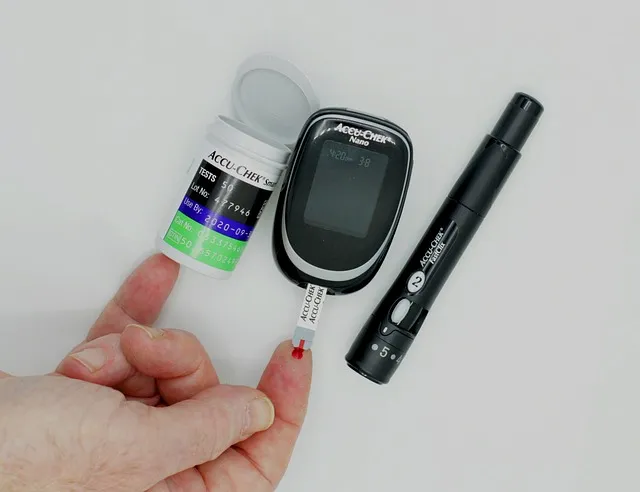
Optimal Timing and Step-by-Step Guide
To ensure accuracy, follow these steps for morning blood sugar testing:
- Test Immediately Upon Waking: Check your blood sugar as soon as you get out of bed, before breakfast, coffee, or exercise. This captures your true fasting state.
- Wash Your Hands: Use warm water and soap to remove any residues (like food or lotion) that could affect the reading. Dry them thoroughly.
- Use a Reliable Meter: Ensure your glucometer is calibrated and test strips are not expired. Follow the manufacturer’s instructions for your specific device.
- Record the Results: Log your reading in a journal, app, or meter memory. Note any relevant factors from the previous night, such as a late snack, stress, or changes in medication.
- Consult Your Healthcare Provider: Share your logs regularly to review trends and adjust your management plan if needed.
For those on insulin or certain medications, your doctor might also recommend checking at other times, such as before bed or 2 hours after meals. However, the morning fasting check remains a cornerstone for understanding overall glucose control.
Factors Influencing Morning Blood Sugar Readings
Several elements can impact your morning glucose levels, making it essential to consider context when interpreting results:
- Diet and Evening Meals: A high-carbohydrate or large meal late at night can lead to elevated morning readings.
- Physical Activity: Evening exercise might lower overnight blood sugar, while lack of activity could contribute to higher levels.
- Sleep Quality and Stress: Poor sleep or high stress can increase cortisol levels, which may raise blood sugar.
- Medication Timing and Dosage: Taking diabetes medication inconsistently or at the wrong time can affect morning results.
- Illness or Hormonal Changes: Colds, infections, or menstrual cycles can temporarily alter glucose metabolism.
Understanding these factors empowers you to make proactive adjustments. For example, if you notice consistently high morning numbers after late dinners, you might try eating earlier or choosing lower-carb options.

Choosing the Right Monitoring Supplies
Selecting appropriate tools is part of effective blood sugar management. When shopping for monitoring supplies, consider:
- Glucometers: Look for features like Bluetooth connectivity to sync with apps, large displays for easy reading, and fast results. Popular brands include Accu-Chek, OneTouch, and FreeStyle.
- Test Strips: Ensure compatibility with your meter. Purchase from reputable retailers to avoid counterfeit products, and check insurance coverage for cost savings.
- Lancing Devices and Lancets: Choose adjustable depth settings for comfort and single-use lancets to prevent infection.
- Continuous Glucose Monitors (CGMs): Devices like Dexcom G7 or FreeStyle Libre offer real-time trends without fingersticks, which can be especially useful for understanding overnight patterns.
Invest in a durable carrying case to keep supplies organized, especially if you test on the go. Many online retailers and pharmacies offer subscription services for automatic refills, ensuring you never run out.
Frequently Asked Questions (FAQ)
Q: What is the single best time to check blood sugar in the morning? A: The most recommended time is right when you wake up, before eating or drinking anything besides water. This provides a consistent fasting reading.
Q: Can I check my blood sugar after having coffee in the morning? A: No, for an accurate fasting reading, check before coffee. Even black coffee can slightly affect blood sugar for some people. Test first, then enjoy your coffee.
Q: How often should I test my morning blood sugar? A: Frequency depends on your diabetes type and treatment plan. Many with type 2 diabetes test daily, while those with type 1 or on insulin may test multiple times daily. Follow your doctor’s specific recommendations.
Q: What should I do if my morning blood sugar is consistently high? A: Discuss this pattern with your healthcare provider. They may adjust medication, suggest dietary changes, or recommend checking overnight levels to identify the cause (e.g., dawn phenomenon).
Q: Are there alternatives to fingerstick testing in the morning? A: Yes, Continuous Glucose Monitors (CGMs) provide ongoing data, including overnight trends, without daily fingersticks. Talk to your doctor to see if a CGM is suitable for you.
Conclusion
Determining the best time to check blood sugar in the morning—typically upon waking, before any food or drink—is a fundamental practice for effective diabetes management. By testing consistently at this time, you gain valuable insights into your fasting glucose levels, uncover patterns influenced by diet, activity, and biology, and can work with your healthcare team to optimize your treatment plan. Pair this routine with reliable monitoring supplies and an awareness of lifestyle factors to take control of your metabolic health. Remember, individual needs vary, so always personalize your approach based on professional medical advice.
Related Articles
best time to take blood pressure medicine

best time to take turmeric for inflammation
when is the best time to take blood pressure medication

best time to take turmeric for weight loss
best time to check blood sugar type 2 diabetes