best time to take turmeric for weight loss
Turmeric, the vibrant golden spice celebrated for centuries in traditional medicine, has surged in popularity as a modern wellness supplement, particularly for those seeking natural weight management support. The active compound in turmeric, curcumin, possesses potent anti-inflammatory and antioxidant properties that can influence metabolism, fat storage, and digestion. However, to harness these benefits effectively, timing is a crucial factor often overlooked. Understanding the best time to take turmeric for weight loss can significantly enhance its bioavailability and align its effects with your body's natural rhythms, turning a simple supplement into a powerful tool in your health regimen.
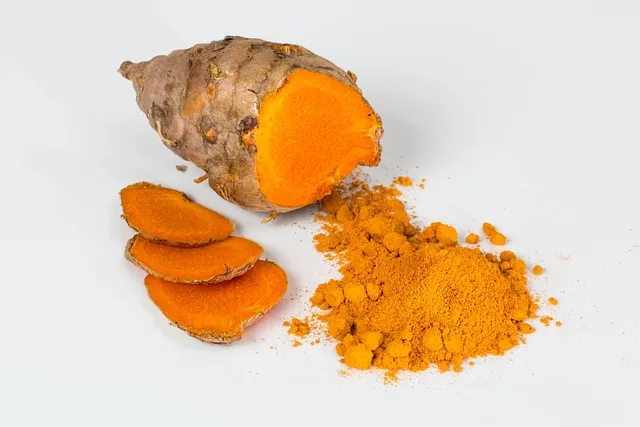
Why Timing Matters: How Turmeric Aids Weight Loss
Before diving into the optimal schedule, it's essential to understand the mechanisms by which turmeric supports weight management. Curcumin is not a direct fat burner; instead, it works systematically to create a healthier internal environment conducive to weight loss. Its primary actions include reducing chronic inflammation (a known contributor to obesity and insulin resistance), improving insulin sensitivity, supporting liver function for better fat metabolism, and potentially suppressing the growth of fat tissue. Because these processes are influenced by your daily cycle—like digestion, hormone fluctuations, and sleep—when you take turmeric can impact how well these benefits are realized.
Key Bioavailability Consideration
A critical point is that curcumin has notoriously low bioavailability, meaning it's poorly absorbed by the body on its own. This is why most high-quality supplements pair it with black pepper extract (piperine) or fats. The timing recommendations that follow assume you are taking a bioavailable form, such as turmeric with black pepper or in a liposomal or phytosomal formulation.
The Optimal Times to Take Turmeric for Weight Loss
Based on current nutritional science and circadian rhythm principles, here are the most effective times to incorporate turmeric, depending on your specific goals.

1. With Your Largest Meal (Often Lunch or Dinner)
This is generally considered the best and most effective time for weight loss purposes.
- Why it works: Turmeric is fat-soluble. Consuming it with a meal containing healthy fats (like avocado, olive oil, nuts, or fish) dramatically increases the absorption of curcumin. Your largest meal typically has the most fat content.
- The Weight Loss Link: Taking turmeric with a meal helps modulate the body's inflammatory response to food, supports healthy digestion, and may help regulate blood sugar spikes post-meal—all factors that prevent unwanted fat storage. For many, this meal is dinner, which also allows turmeric's anti-inflammatory properties to work overnight during the body's repair cycle.
2. In the Morning, With Breakfast
Ideal for establishing a routine and supporting all-day metabolic health.
- Why it works: Starting your day with turmeric can help set an anti-inflammatory tone for your body. If your breakfast includes a source of fat (e.g., eggs, yogurt, or a smoothie with nut butter), absorption will be effective.
- The Weight Loss Link: Morning consumption can aid in kickstarting digestion and metabolism. It may also help manage cravings and provide sustained energy by promoting balanced blood sugar levels throughout the day.
3. Before a Workout
A strategic choice for enhancing exercise benefits.
- Why it works: The anti-inflammatory properties of curcumin can help reduce exercise-induced muscle soreness and oxidative stress.
- The Weight Loss Link: By potentially reducing post-workout inflammation and pain, you may recover faster and stay more consistent with your exercise routine—a cornerstone of any weight loss plan. Take it 30-60 minutes before exercise, ideally with a small snack containing fat.
Times to Generally Avoid
- On a completely empty stomach: This can cause digestive discomfort for some and results in very poor absorption of curcumin due to the lack of fat.
- Right before bed (for some individuals): While fine for many, a small percentage of people may experience slight stimulation or digestive activity that could disrupt sleep. Poor sleep is detrimental to weight loss, so err on the side of caution if you are sensitive.
Maximizing the Benefits: A Practical Daily Protocol
For synergistic weight loss effects, consider this integrated daily approach:
- Choose a Bioavailable Supplement: Select a turmeric/curcumin supplement that includes black pepper extract (piperine) or is formulated with lipids for enhanced absorption.
- Pair with Fat: Always take your supplement with a meal or snack that contains at least 5-10 grams of healthy fat.
- Stay Consistent: The benefits of turmeric are cumulative. Aim for daily consistency rather than sporadic high doses.
- Combine with a Healthy Lifestyle: Turmeric is a supplement, not a magic pill. Its effects are maximized alongside a balanced diet rich in whole foods and regular physical activity.

Frequently Asked Questions (FAQ)
Q: How much turmeric should I take daily for weight loss? A: Most studies use doses of 500-2,000 mg of curcumin extract daily. It's best to follow the dosage on your specific supplement label and consult with a healthcare provider, especially if you have underlying health conditions or are on medication.
Q: Can I take turmeric at night for weight loss? A: Yes, taking it with your evening meal is an excellent option. The fat in the meal aids absorption, and the anti-inflammatory effects can work overnight. Avoid taking it right before bed if you find it affects your sleep.
Q: Is it better to take turmeric in powder or capsule form? A: Both can be effective. Capsules offer convenience and precise dosing. Powder can be easily incorporated into foods (like golden milk, soups, or smoothies) with fats, which aids absorption. The key is ensuring bioavailability.
Q: How long does it take to see weight loss results from taking turmeric? A: Turmeric supports weight loss indirectly. You may notice reduced bloating or improved digestion within a few weeks, but measurable changes in weight are typically seen after 2-3 months of consistent use as part of a holistic diet and exercise plan.
Q: Are there any side effects or people who should avoid turmeric? A: Turmeric is safe for most people in culinary and standard supplemental amounts. High doses may cause digestive upset. Individuals with gallbladder issues, those on blood-thinning medications (like warfarin), or about to undergo surgery should consult a doctor before use.
Conclusion
Determining the best time to take turmeric for weight loss ultimately centers on synergy: syncing the supplement with dietary fat for absorption and with your body's needs throughout the day. For most individuals, taking a bioavailable turmeric supplement with your largest, fattiest meal—be it lunch or dinner—provides the optimal window for reaping its anti-inflammatory and metabolic benefits. Consistency in this practice, combined with a nutritious diet and active lifestyle, allows turmeric to effectively support your weight management journey from the inside out. As with any supplement, listen to your body and consider professional guidance to tailor the approach to your unique health profile.
Related Articles

best time to take blood pressure medicine

best time to take turmeric for inflammation

best time to check blood sugar in the morning

when is the best time to take blood pressure medication

best time to check blood sugar type 2 diabetes