when is the best time to take blood pressure medication
Managing high blood pressure (hypertension) is a critical component of long-term cardiovascular health, and taking medication as prescribed is a cornerstone of effective treatment. However, many patients wonder if timing matters—should they take their pills in the morning or at night? The answer isn't one-size-fits-all; it depends on the type of medication, your individual blood pressure pattern, and your lifestyle. This article explores the latest medical guidance to help you determine the optimal time to take your blood pressure medication, ensuring you get the most benefit while minimizing side effects.
Understanding Your Blood Pressure Rhythm
To grasp why timing can be important, it's helpful to understand your body's natural blood pressure rhythm, known as the "circadian rhythm." For most people, blood pressure follows a predictable pattern:
- Morning Surge: Blood pressure typically rises in the early morning hours (around 6 a.m. to noon), preparing the body for the day. This surge is associated with a higher risk of heart attacks and strokes.
- Daytime Plateau: Pressure remains relatively elevated throughout the daytime.
- Nighttime Dip (Nocturnal Dipping): During sleep, blood pressure normally falls by about 10-20%. A lack of this "dip" is a risk factor for cardiovascular events.
The goal of hypertension treatment is to smooth out dangerous peaks and ensure 24-hour protection. The timing of your medication can help achieve this control.
Morning vs. Nighttime Dosing: What Does the Research Say?
For decades, the standard advice was to take blood pressure medication in the morning, primarily to control the morning surge and to align with the body's natural cortisol release. However, significant research, including the large Hygia Chronotherapy Trial, has shifted the conversation. This study suggested that taking one or more antihypertensive medications at bedtime significantly reduced the risk of major cardiovascular events compared to morning dosing.
Key Considerations for Timing:
- For 24-Hour Coverage: Most modern blood pressure medications are long-acting, designed to work for a full day. If you take a once-daily pill in the morning, it should still be effective overnight.
- Nighttime Dosing Potential Benefits: Bedtime dosing may be particularly beneficial for:
- Non-dippers: Individuals whose blood pressure doesn't fall sufficiently at night.
- Managing Nocturnal Hypertension: For those with high nighttime readings.
- Reducing Morning Surge: Some evidence indicates bedtime dosing can blunt the next day's morning spike more effectively.
- Medication-Specific Factors:
- Diuretics ("Water Pills"): These are almost always recommended in the morning to avoid nighttime trips to the bathroom.
- ACE Inhibitors & ARBs: Some patients report a dry cough (ACE inhibitors) or dizziness. Taking these at night may help you sleep through these side effects.
- Beta-Blockers: Certain types may be better taken at night, especially if they cause fatigue.
- Calcium Channel Blockers: Timing is often flexible, but some can cause swelling or headaches that may be less noticeable if you sleep through the peak effect.
The most crucial rule is consistency. Taking your medication at the same time every day maintains stable levels in your bloodstream.
How to Determine Your Best Time: Practical Steps
You should never change the timing of your medication without consulting your doctor. Here’s a practical approach to finding your optimal schedule:
- Consult Your Doctor or Pharmacist: This is the essential first step. They understand your full medical history, medication profile, and specific health goals.
- Consider Your Routine: The best time is when you are least likely to forget. Link it to a daily habit like brushing your teeth or eating a meal.
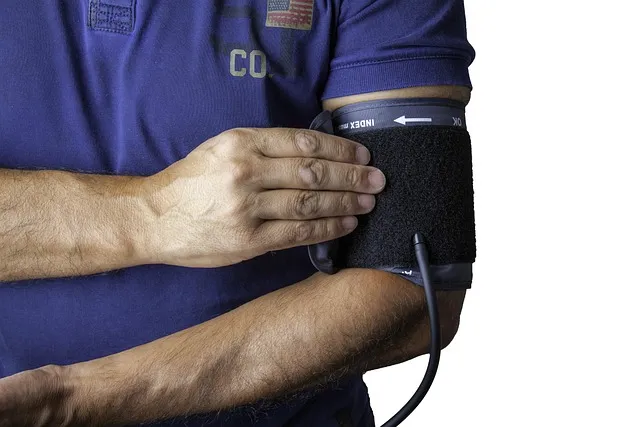
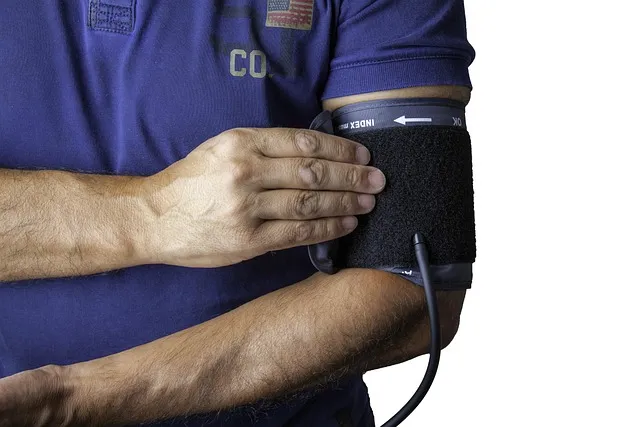
- Monitor at Home: Use a validated home blood pressure monitor. Your doctor may ask you to take readings at different times (e.g., morning and evening) for a period to identify your personal pattern.
- Evaluate Side Effects: If your medication causes dizziness or lightheadedness, taking it at night might be safer. If it causes frequent urination, morning dosing is likely better.

Frequently Asked Questions (FAQ)
Q: Is it ever okay to split my dose (half in the morning, half at night)? A: Only if your doctor specifically prescribes it that way. Some medications are formulated for once-daily release, and splitting them can disrupt their effectiveness or cause side effects. Never split or crush a pill without checking with your pharmacist first.
Q: What if I forget a dose? A: The general rule is: If it's within a few hours of your usual time, take it. If it's almost time for your next dose, skip the missed dose and take the next one as scheduled. Do not double up. Check the specific instructions on your medication leaflet or call your pharmacist for guidance.
Q: Does food affect when I should take my medication? A: Yes, for some drugs. Certain medications, like some ACE inhibitors, are better absorbed on an empty stomach. Others may cause stomach upset and are recommended with food. Your prescription label or pharmacist will provide this crucial information.
Q: I take multiple medications. Should I take them all at the same time? A: Not necessarily. Your doctor or pharmacist will create a schedule that minimizes interactions and side effects. Some drugs may need to be spaced apart. Using a weekly pill organizer can help manage complex regimens.
Q: Has the official medical guideline changed to recommend nighttime dosing for everyone? A: No. Major guidelines (like those from the American Heart Association) emphasize consistent daily dosing but have not universally adopted bedtime dosing as the standard. They acknowledge it may be beneficial for some patients, highlighting the need for personalized care.
Conclusion
Determining the best time to take your blood pressure medication is a personalized decision that should be made in partnership with your healthcare provider. While emerging research points to potential advantages of nighttime dosing for certain individuals, the pillars of success remain consistency, adherence, and personalized treatment. Whether you take your pills in the morning or at night, the most important action is taking them every day as prescribed. Combine this with regular monitoring, a heart-healthy lifestyle, and open communication with your doctor to achieve the best possible control over your blood pressure and protect your long-term health.
Related Articles

best time to take blood pressure medicine

best time to take turmeric for inflammation

best time to check blood sugar in the morning

best time to take turmeric for weight loss
best time to check blood sugar type 2 diabetes