best time to take turmeric for inflammation
Turmeric, the vibrant golden spice derived from the Curcuma longa plant, has been celebrated for centuries in traditional medicine for its potent anti-inflammatory properties. The active compound, curcumin, is a powerful antioxidant that helps combat chronic inflammation, which is linked to numerous health conditions like arthritis, heart disease, and metabolic syndrome. However, to maximize these benefits, timing and method of consumption are key. Understanding the best time to take turmeric for inflammation can significantly enhance its absorption and effectiveness in your daily wellness routine. This guide will explore the optimal timing, forms, and practical tips to help you harness turmeric's full potential.
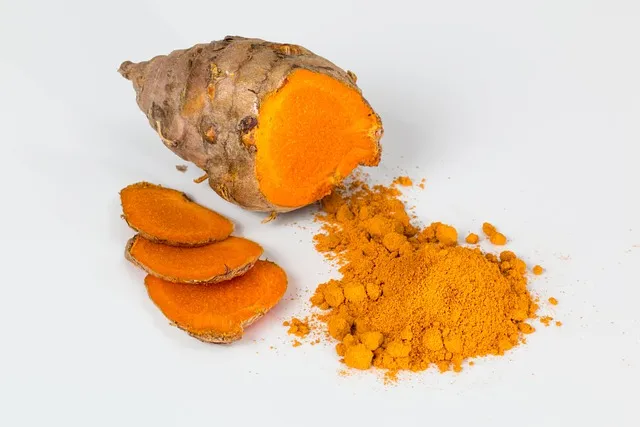
Understanding Turmeric and Its Anti-Inflammatory Effects
Before diving into timing, it's essential to understand how turmeric works. Curcumin, the primary bioactive substance in turmeric, modulates several molecular pathways involved in inflammation. It inhibits inflammatory enzymes and cytokines, reducing swelling and pain. However, curcumin has low bioavailability on its own, meaning the body struggles to absorb it efficiently. This is why pairing it with black pepper (which contains piperine) or healthy fats can boost absorption by up to 2,000%.
For inflammation management, consistency is more critical than a single dose. Most studies suggest taking turmeric daily for sustained effects. The typical dosage ranges from 500 to 2,000 mg of curcumin per day, but always consult a healthcare provider for personalized advice, especially if you're on medications like blood thinners.
The Optimal Times to Take Turmeric for Inflammation
Timing your turmeric intake can align with your body's natural rhythms and enhance its anti-inflammatory impact. Here are the most effective times based on your goals:
1. With Meals (Especially Breakfast or Lunch)
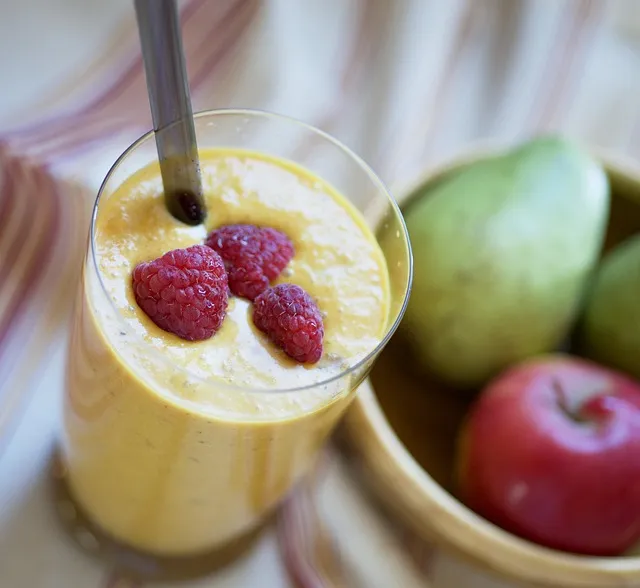
Taking turmeric with meals, particularly those containing healthy fats like avocado, olive oil, or nuts, is highly recommended. Fats improve curcumin absorption, and consuming it with food minimizes potential stomach discomfort. Morning or midday meals are ideal because they can help reduce inflammation throughout the day, supporting joint mobility and energy levels. For example, adding turmeric to a smoothie, scrambled eggs, or a curry at lunch ensures it's paired with nutrients that aid uptake.
2. Before or After Exercise
If inflammation is related to physical activity or arthritis, consider taking turmeric 30-60 minutes before or after exercise. Pre-workout, it may help prepare muscles and joints by reducing oxidative stress. Post-workout, it can aid recovery by alleviating exercise-induced inflammation and soreness. A 2024 review in the Journal of Dietary Supplements noted that curcumin supplementation improved recovery times in athletes.
3. Evening or Before Bed
For individuals with inflammatory conditions that worsen at night, such as rheumatoid arthritis or chronic pain, taking turmeric in the evening or before bed can be beneficial. Its calming effects may reduce nighttime inflammation and improve sleep quality. Pair it with a light snack containing fat, like yogurt or a small handful of almonds, to enhance absorption while you sleep.
Choosing the Right Turmeric Form and Synergistic Pairings
The form of turmeric you choose influences timing and effectiveness. Here’s a quick comparison:
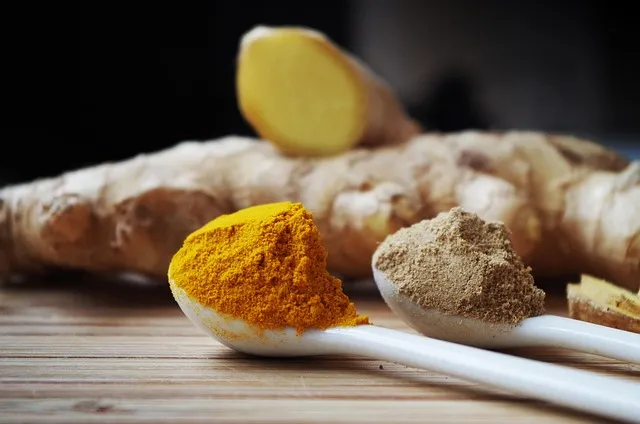
- Powdered Turmeric: Best used in cooking with meals. Add it to soups, stews, or golden milk.
- Supplements (Capsules/Tablets): Offer standardized curcumin doses. Take with a fatty meal for best absorption. Look for supplements with piperine or liposomal formulations.
- Liquid Extracts/Tinctures: Fast-acting; can be taken under the tongue or mixed into drinks, ideally with food.
To boost anti-inflammatory effects, combine turmeric with:
- Black Pepper: Contains piperine to enhance curcumin absorption.
- Ginger: Shares anti-inflammatory properties for synergistic benefits.
- Omega-3 Fatty Acids: Found in fish oil, they complement turmeric’s effects on inflammation.
Practical Tips for Incorporating Turmeric into Your Routine
- Start Slow: Begin with a small dose (e.g., 500 mg daily) to assess tolerance.
- Consistency is Key: Take turmeric at the same time daily to maintain stable levels in your body.
- Monitor Effects: Keep a journal to track changes in inflammation symptoms over 4-8 weeks.
- Avoid on an Empty Stomach: To prevent digestive issues, always consume turmeric with food.
- Stay Hydrated: Drink plenty of water to support nutrient absorption and overall health.
Frequently Asked Questions (FAQ)
Q: Can I take turmeric on an empty stomach for inflammation? A: It's generally not recommended. Taking turmeric without food may cause stomach upset or reduce absorption. Pair it with a meal containing healthy fats for optimal results.
Q: How long does it take for turmeric to reduce inflammation? A: Effects vary, but many people notice improvements within 2-8 weeks of consistent use. Chronic conditions may require longer-term supplementation.
Q: Is there a bad time to take turmeric? A: Avoid taking turmeric close to medication times, especially blood thinners or diabetes drugs, unless approved by a doctor. Also, skip it right before heavy meals if you have acid reflux.
Q: Can I take turmeric at night if I have insomnia? A: Yes, turmeric is not stimulating and may promote relaxation by reducing inflammation that disrupts sleep. Combine it with warm milk or herbal tea for a soothing bedtime ritual.
Q: Should I cycle turmeric or take it continuously? A: For chronic inflammation, continuous use is often safe, but some prefer cycling (e.g., 3 months on, 1 month off). Consult a healthcare provider for personalized advice.
Conclusion
Determining the best time to take turmeric for inflammation ultimately depends on your lifestyle, health goals, and body's response. For most people, consuming turmeric with meals—particularly breakfast or lunch that includes healthy fats—offers the ideal balance of absorption and comfort. Whether you choose powdered turmeric in recipes or convenient supplements, consistency and proper pairing with black pepper or fats are crucial to unlocking its full anti-inflammatory potential. Always prioritize quality products and consult with a healthcare professional before starting any new supplement regimen, especially if you have underlying health conditions. By integrating turmeric strategically into your daily routine, you can take a proactive step toward managing inflammation and enhancing overall wellness.

Related Articles
best time to take blood pressure medicine
best time to check blood sugar in the morning

when is the best time to take blood pressure medication
best time to take turmeric for weight loss

best time to check blood sugar type 2 diabetes