best time to take blood pressure medicine
Managing high blood pressure effectively is a cornerstone of long-term cardiovascular health, and taking your medication at the right time can make a significant difference. The best time to take blood pressure medicine is not a one-size-fits-all answer; it depends on your specific medication, your body's natural rhythms, and your lifestyle. Recent research and clinical guidelines increasingly point to the potential benefits of bedtime dosing for many patients, as it may better align with the body's circadian patterns and offer superior protection against heart attacks and strokes. This article will guide you through the key considerations, from understanding chronotherapy to practical tips for establishing a consistent routine, helping you and your healthcare provider determine the optimal schedule for your health.
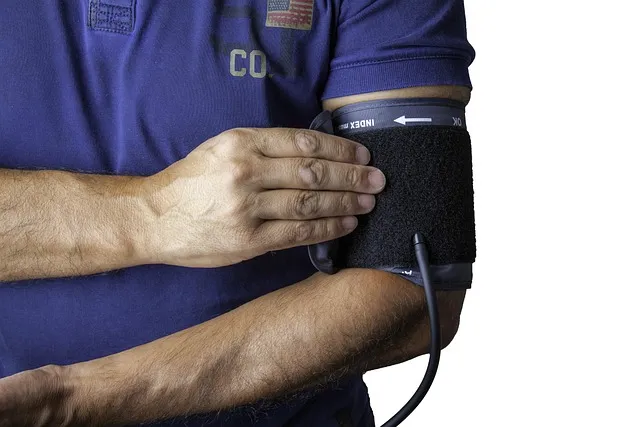
Understanding Chronotherapy and Your Body's Clock
The science of timing medication to align with the body's natural 24-hour cycle is known as chronotherapy. Your blood pressure follows a predictable daily pattern: it typically dips by 10-20% during sleep (nocturnal dipping), rises sharply upon waking (the "morning surge"), and remains higher during daytime activities. For individuals with hypertension, this natural rhythm can be disrupted, sometimes leading to a dangerous non-dipping pattern where blood pressure stays elevated at night.
Taking certain blood pressure medications at bedtime can help restore a healthier nocturnal dip and more effectively blunt the morning surge, a period associated with a higher risk of cardiovascular events. Major studies, such as the Hygia Chronotherapy Trial, have suggested that bedtime dosing of one or more antihypertensive medications can lead to better 24-hour blood pressure control and significantly reduce the risk of major cardiac events compared to morning dosing. It's crucial to consult your doctor before changing your routine, as not all medications are suited for nighttime administration.
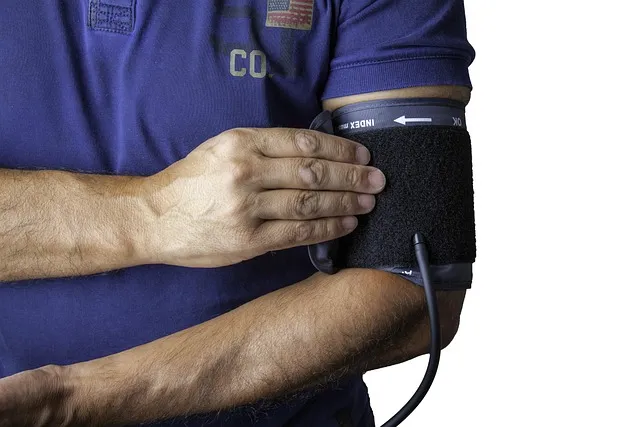
Key Factors That Determine the Best Dosing Time
Your ideal dosing schedule is a personalized decision. Here are the primary factors you and your physician will consider:
1. Type of Medication
The class of your blood pressure medicine is the most critical factor.
- ACE Inhibitors, ARBs, and Beta-Blockers: Some studies show these may be particularly effective when taken at bedtime.
- Diuretics (Water Pills): These are almost always recommended for morning intake. Taking them later in the day can cause frequent urination during the night, disrupting sleep.
- Calcium Channel Blockers: Timing can vary. Some long-acting versions may be effective regardless of time, but bedtime may be advised for certain types.
2. Your Personal Blood Pressure Pattern
Ambulatory Blood Pressure Monitoring (ABPM), a 24-hour test, can reveal if you are a "dipper" or "non-dipper." This data is invaluable for personalizing your treatment timing.
3. Your Daily Routine and Side Effects
Consistency is more important than the specific hour. Choose a time you will never forget.
- Morning Dosing: Ideal if your medication causes dizziness or fatigue, as you will experience those side effects during the day. It also pairs easily with other morning habits.
- Bedtime Dosing: Can be beneficial if your medication has a mild drowsy effect. It may also help if you frequently forget morning doses.
4. Other Medications and Conditions
Some medications or supplements can interact with blood pressure pills. Your doctor will coordinate timing to avoid interactions or maximize benefits for other conditions.
How to Establish a Consistent and Effective Routine
Once you and your doctor have determined the best time, follow these steps to ensure adherence and effectiveness:
- Pair with an Existing Habit: Link taking your pill to a daily activity you never miss, like brushing your teeth, having your first coffee, or getting into bed.
- Use a Pill Organizer: A weekly pillbox is a simple, foolproof tool to prevent double-dosing or missing a dose.
- Set a Daily Reminder: Use phone alarms, smartwatch alerts, or medication reminder apps.
- Keep a Log: Note your dosing times and any side effects or blood pressure readings to discuss with your doctor at follow-up visits.
- Be Mindful of Food: Some medications work best on an empty stomach, others with food. Follow the label instructions precisely.

Frequently Asked Questions (FAQ)
Q: Is it really better to take blood pressure medicine at night? A: For many people, yes. Growing evidence suggests bedtime dosing can improve overnight blood pressure control and reduce cardiovascular risk. However, this does not apply to diuretics or for all individuals. A discussion with your doctor is essential.
Q: What happens if I accidentally take two doses in one day? A: Do not panic, but contact your doctor or pharmacist immediately. Doubling up can cause your blood pressure to drop too low (hypotension), leading to dizziness, fainting, or injury. They will advise you on whether to skip your next dose.
Q: Can I switch from morning to night dosing on my own? A: No. You should always consult your physician before changing the timing of your medication. They will ensure it is safe for your specific drug regimen and may advise on how to transition properly.
Q: I take my pill in the morning but my blood pressure is still high at night. What should I do? A: Bring this pattern to your doctor's attention. They may recommend a 24-hour blood pressure monitor test and discuss strategies, which could include switching to a longer-acting medication, adding a second medication, or changing your dosing time.
Q: Does the time I take my medicine affect its side effects? A: Absolutely. For instance, taking a medication that causes dizziness or fatigue at bedtime may minimize its disruption to your daily life. Conversely, taking a diuretic at night would maximize sleep disruption.
Conclusion
Determining the best time to take blood pressure medicine is a personalized strategy that blends modern chronotherapy science with the practicalities of your daily life. While bedtime dosing emerges as a powerful option for enhancing protection, the fundamental rule is to take your medication exactly as prescribed by your healthcare provider. Open communication with your doctor about your routine, any side effects, and your blood pressure readings is the most reliable path to optimal control. By prioritizing consistency and partnering with your medical team, you can turn your medication schedule into a powerful, proactive tool for safeguarding your heart health for years to come.
Related Articles

best time to take turmeric for inflammation

best time to check blood sugar in the morning

when is the best time to take blood pressure medication

best time to take turmeric for weight loss
best time to check blood sugar type 2 diabetes