when is the best time to take blood pressure medicine
Managing high blood pressure (hypertension) effectively is crucial for long-term heart health and reducing the risk of stroke, heart attack, and kidney disease. A common and important question for millions of Americans is: when is the best time to take blood pressure medicine? The answer isn't one-size-fits-all; it depends on the type of medication, your individual blood pressure pattern, your lifestyle, and, most importantly, the specific guidance from your healthcare provider. This article will explore the latest insights and practical advice to help you optimize your medication schedule for the best possible control.

Understanding Your Blood Pressure Rhythm: The Diurnal Pattern
To determine the best dosing time, it's essential to understand that blood pressure follows a natural 24-hour cycle, known as the circadian rhythm. For most people, blood pressure is typically highest during the early morning hours (the "morning surge") as the body prepares for the day, and lowest during sleep. This pattern influences cardiovascular risk, as heart attacks and strokes are more common in the morning.
Recent research, including a significant 2019 study published in the European Heart Journal, has shifted the conversation. This large-scale study suggested that taking all or at least one blood pressure medication at bedtime may be more effective at controlling nighttime and morning blood pressure and significantly reducing the risk of major cardiovascular events compared to taking all medications in the morning.
Key Factors Influencing Dosing Time:
- Medication Class: Some drugs are designed for 24-hour control, while others may be shorter-acting.
- Your Personal "Dipper" Status: "Dippers" experience a natural nighttime drop in BP. "Non-dippers" do not, which is a higher-risk pattern.
- Side Effects: Some medications can cause dizziness or fatigue, which might be better tolerated at night.
- Consistency: The most critical factor is taking your medication at the same time every day.
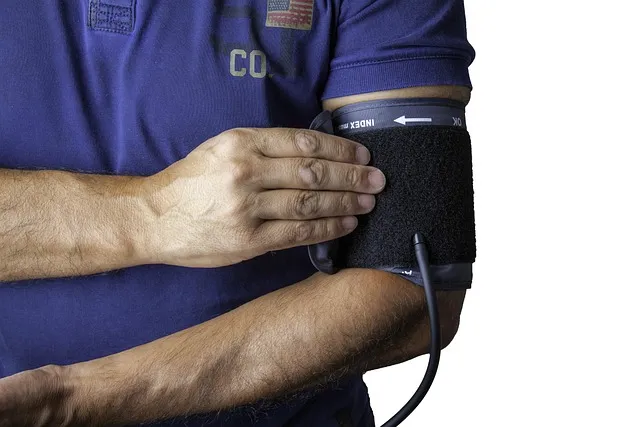
Practical Guide: Morning vs. Nighttime Dosing
Here’s a breakdown of common considerations for different dosing schedules to discuss with your doctor.
Taking Medication in the Morning
- Pros: Aligns with the body's morning surge, can be easier to remember as part of a morning routine (e.g., with breakfast), and may reduce the impact of diuretic medications that increase urination.
- Cons: May not provide optimal coverage during the vulnerable early morning hours of the next day if the medication's effect wears off.
- Best for: Individuals taking diuretics or those who experience side effects like dizziness that could be risky if they occur overnight.
Taking Medication at Bedtime
- Pros: Emerging evidence suggests it may offer superior protection against heart attack and stroke by better controlling nighttime and early morning BP. It can also reduce side effects like lightheadedness during the day.
- Cons: Requires a solid bedtime routine to ensure consistency. Might not be ideal for medications that disrupt sleep.
- Best for: Individuals identified as "non-dippers," those on specific long-acting medications like ARBs or ACE inhibitors, or people whose morning readings remain high.
Split Dosing (Taking Medication Twice a Day)
For some shorter-acting medications or for achieving smoother 24-hour control, your doctor may prescribe a split dose (e.g., morning and evening).
- Pros: Can provide more even coverage throughout the entire day and night.
- Cons: Requires remembering two doses, which can complicate adherence.
The cardinal rule: Never change your medication schedule without first consulting your physician. They may recommend 24-hour ambulatory blood pressure monitoring to see your exact daily pattern before making a recommendation.

How to Optimize Your Routine for Success
Beyond timing, these practical tips ensure your medication works effectively and safely.
- Be Consistent: Take your medication at the same time every single day. Set a phone alarm or link it to a daily habit (like brushing your teeth).
- Follow Label Instructions: Some medications should be taken with food to improve absorption or reduce stomach upset, while others should be taken on an empty stomach. Check the label or ask your pharmacist.
- Monitor at Home: Use a validated home blood pressure monitor. Take readings at different times (morning and evening) as your doctor advises and keep a log. This data is invaluable for assessing the effectiveness of your timing.
- Avoid Interactions: Be mindful of potential interactions. For example, grapefruit juice can interfere with the metabolism of certain blood pressure drugs (like some calcium channel blockers).
- Don't Skip Doses: If you miss a dose, refer to the medication instructions or call your pharmacist. Generally, if it's close to the time of your next dose, skip the missed one. Do not double up.
Frequently Asked Questions (FAQ)
Q: I take my pill in the morning but get dizzy. What should I do? A: Contact your doctor immediately. Dizziness can indicate your blood pressure is dropping too low. Your doctor may adjust the dose, switch the medication, or recommend taking it at bedtime instead.
Q: Is it okay to take blood pressure medicine on an empty stomach? A: It depends entirely on the specific drug. Some are fine, while others (like certain ACE inhibitors) are better absorbed with food, and some may cause stomach irritation without it. Always verify with your pharmacist or the prescription leaflet.
Q: I've heard nighttime dosing is best. Should I switch tonight? A: No. While the research is promising, it is not a universal recommendation. The decision must be personalized. Schedule an appointment with your healthcare provider to review your current control, medication type, and overall health before making any change.
Q: What if I take multiple medications for different conditions? A: Coordination is key. Your doctor or pharmacist can create a "medication schedule" that staggers doses to avoid interactions and makes the routine manageable. Using a weekly pill organizer is highly recommended.
Q: Does alcohol affect my blood pressure medication? A: Yes. Alcohol can both raise blood pressure and interact with medications, increasing side effects like dizziness and drowsiness. It's crucial to discuss alcohol use with your doctor.
Conclusion
Determining the best time to take your blood pressure medicine is a personalized strategy that can significantly impact your cardiovascular health. While traditional morning dosing is common, compelling evidence supports discussing bedtime dosing with your doctor, especially if your nighttime or morning readings are high. The most powerful tools you have are consistent daily adherence, regular home monitoring, and open communication with your healthcare team. By partnering with your doctor and using the insights from your own blood pressure logs, you can find the optimal dosing schedule that fits your life and best protects your heart.

Related Articles
best time to take blood pressure medicine

best time to take turmeric for inflammation
best time to check blood sugar in the morning
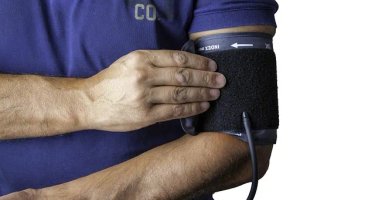
when is the best time to take blood pressure medication

best time to take turmeric for weight loss