Best Time to Visit Iceland
Discover the best time for visit iceland. Complete guide with expert tips and data-driven insights.
The best time to visit Iceland depends entirely on your travel goals, as the country offers dramatically different experiences across its two main seasons: summer and winter. For the iconic midnight sun and access to remote highlands, visit between June and August. For winter sports and the Northern Lights, plan your trip between November and March. Ultimately, the "right" season aligns with the activities and landscapes you wish to prioritize.
Understanding Iceland's Seasonal Extremes
Iceland's climate is characterized by significant seasonal shifts in daylight, weather, and accessibility. Industry professionals and travel guides commonly frame planning around these core seasonal blocks, as each presents unique opportunities and constraints. The key is to match the season to your desired itinerary.
The Icelandic Summer (June - August)
The summer months offer the most accessible and versatile travel conditions, making this peak season ideal for first-time visitors and outdoor enthusiasts.
Key Features and Activities:
- Midnight Sun & Extended Daylight: With nearly 24 hours of daylight in June, you have maximum time for exploration and photography.
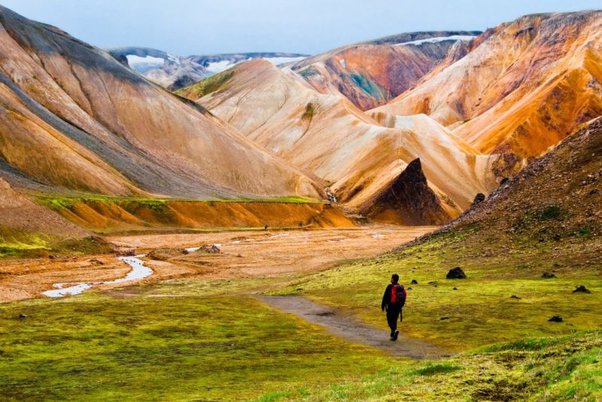
- Full Accessibility: This is the only time when remote interior regions like the Central Highlands and roads through the Westfjords are fully open for driving, hiking, and horse trekking.
- Optimal Hiking Conditions: Trails across the country, including famous multi-day treks, are snow-free and accessible.
- Vibrant Landscapes: The scenery transforms into striking contrasts of lush green moss against dark volcanic rock.
- Wildlife Viewing: Summer is the prime season for birdwatching, including the beloved Atlantic puffins that nest along coastal cliffs.
Practical Considerations: Based on common travel practices, summer is the busiest and most expensive season. Booking accommodations, vehicles, and tours well in advance is considered essential. While weather is milder, it remains unpredictable, so packing layers is always recommended.
The Icelandic Winter (November - March)
Winter in Iceland is a season of profound beauty and specialized adventure, centered around limited daylight and the pursuit of auroral displays.
Key Features and Activities:
- The Northern Lights (Aurora Borealis): Long, dark nights provide the perfect canvas for viewing the aurora, a top draw for winter visitors.
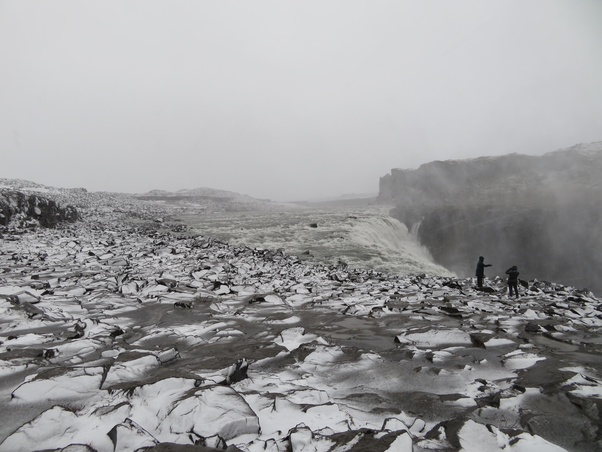
- Stark Winter Scenery: The landscape becomes a dramatic study in black and white, with snow-covered volcanoes, frozen waterfalls, and glaciers.
- Winter-Specific Adventures: Activities like ice climbing on glacier tongues, snowmobiling on ice caps, and visiting ice caves become available. Skiing is possible, though options are more limited than in major alpine destinations.
- Cozy Atmosphere: The season lends itself to enjoying geothermal pools and spas amidst cold, crisp air.
Practical Considerations: Travel in winter requires flexibility and preparation. Daylight can be as short as 4-5 hours, limiting driving and sightseeing windows. Many highland and secondary roads are impassable, restricting travel to the main Ring Road and coastal areas. Weather volatility can lead to sudden road closures or tour cancellations.
Navigating the Shoulder Seasons: Spring and Autumn
The months of April-May and September-October offer a mix of conditions but come with increased weather volatility.
- Spring (April-May): Daylight increases rapidly, snow begins to melt, and summer activities start to become possible. It can be a good time to avoid peak crowds, though access to the highlands remains limited.
- Autumn (September-October): This period offers a chance to experience both autumn colors and the returning Northern Lights. However, as many travelers note, storms and early snowfall are common, which can quickly close remote roads and disrupt plans. It represents a compromise season with higher unpredictability.
Making Your Decision: Key Questions to Ask
To choose your ideal time, consider these questions based on standard travel planning methodology:
- What is your primary goal? Is it to hike in the highlands (summer) or see the Northern Lights (winter)?
- How do you feel about daylight? Do you prefer 24-hour sun for non-stop exploration or are you comfortable with limited daylight hours?
- What is your comfort level with driving? Are you prepared for potential winter road conditions, or would you prefer the guaranteed access of summer?
- Is budget a major factor? Travel costs are generally lower during the winter and shoulder seasons.
Final Recommendation and Trustworthy Advice
For a comprehensive first visit focusing on iconic sights, road trips, and hiking, the summer season is widely regarded as the most reliable and rewarding choice. For a trip centered on the aurora, winter solitude, and unique frozen landscapes, winter provides an unforgettable adventure.
A trustworthy approach is to acknowledge that no season is objectively "best." Each has its trade-offs. Summer offers accessibility and landscapes but has crowds. Winter offers magical phenomena but has limited access and challenging light. By aligning your expectations with the realistic offerings of each season, you can plan an Icelandic journey that perfectly matches your vision.