best time to plant echinacea 90
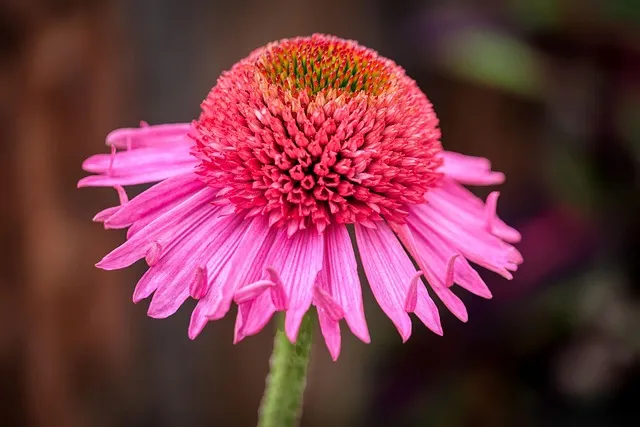
Echinacea, commonly known as coneflower, is a beloved native perennial prized for its vibrant, daisy-like blooms and its renowned medicinal properties. A cornerstone of pollinator gardens and naturalistic landscapes, getting your echinacea off to a strong start begins with planting at the optimal time. For gardeners across the United States, the best time to plant echinacea is in the spring, after the last frost date has passed, or in the early fall, about 6-8 weeks before the first expected frost. This timing allows the plant to establish a robust root system without the stress of extreme heat or freezing temperatures, ensuring a spectacular display of color and resilience for years to come.
Understanding the Two Prime Planting Windows
Planting echinacea successfully hinges on understanding your local climate and the plant's growth cycle. The goal is to provide a long, mild period for root development before challenging weather arrives.
Spring Planting (The Most Common Approach)
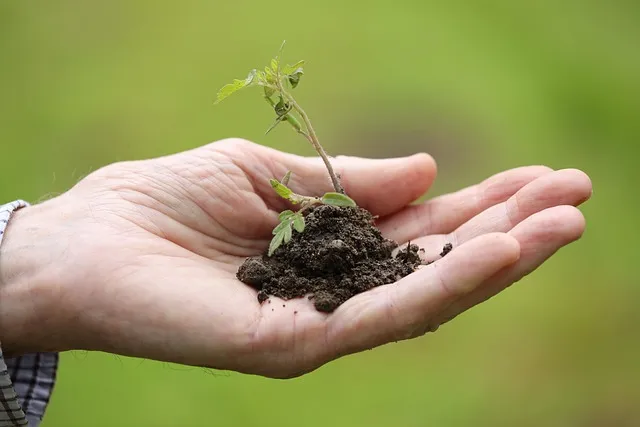
For most regions, spring is the ideal and most straightforward time to plant echinacea. The warming soil and increasing daylight hours stimulate strong root growth.
- When: Plant in mid to late spring. A good rule is to wait until after your area's average last frost date. You can find this date through your local university extension service.
- Why it works: The plant spends the growing season establishing itself. It will likely produce some blooms in its first year, with a much more impressive show in the second year and beyond.
- Best for: Planting container-grown nursery plants, which are widely available in spring.
Fall Planting (A Strategic Alternative)
Fall planting is an excellent, often overlooked strategy, especially for those in regions with hot summers or for planting seeds.
- When: Aim for early fall, at least 6-8 weeks before your first hard frost. This gives the roots enough time to anchor themselves in the still-warm soil.
- Why it works: Cooler autumn temperatures reduce transplant shock and water stress. The plant focuses energy entirely on root growth over top growth, leading to a stronger, more drought-tolerant plant come spring.
- Best for: Dividing and transplanting established clumps, sowing seeds directly outdoors, or planting in areas with intense summer heat.
Regional Considerations for Planting Echinacea
Your specific USDA Hardiness Zone (most echinacea varieties thrive in Zones 3-9) further refines the perfect planting schedule.
- Northern Zones (3-5): Spring planting is paramount. Wait until late May or even early June to ensure all frost danger is gone. Fall planting should be done by early September.
- Central Zones (6-7): You have the most flexibility. Spring planting can occur from mid-April to May. Fall planting is highly successful and can be done through October.
- Southern Zones (8-9): Focus on fall planting to avoid the intense summer heat. Plant from late September through November. Spring planting should be done very early, in late winter or very early spring, before the heat sets in.
Step-by-Step Guide to Planting Echinacea
Once you've determined the right time, proper planting technique is key.
- Choose the Right Site: Echinacea demands full sun—at least 6-8 hours of direct sunlight daily. It thrives in well-drained soil and is remarkably drought-tolerant once established.
- Prepare the Soil: While tolerant of poor soil, echinacea appreciates a moderate amount of organic matter. Amend heavy clay or very sandy soil with compost. Good drainage is critical to prevent root rot.
- Planting Depth and Spacing: For potted plants, dig a hole twice as wide as the root ball and the same depth. Place the plant so the crown (where the stem meets the roots) is level with the soil surface. Space plants 18-24 inches apart to allow for air circulation.
- Watering and Mulching: Water deeply immediately after planting. Apply a light layer of mulch to conserve moisture and suppress weeds, but keep it away from the plant's crown.
- Initial Care: Water regularly during the first growing season to help the roots establish. After that, echinacea is remarkably low-maintenance.
FAQ: Your Echinacea Planting Questions Answered
Q: Can I plant echinacea seeds directly in the garden? A: Yes. The best time to sow echinacea seeds outdoors is in the fall. The seeds require a period of cold stratification (exposure to cold, moist conditions) to break dormancy, which they will naturally receive over winter for germination in spring.
Q: I bought echinacea in full bloom in summer. Can I plant it then? A: You can, but it requires extra care. Plant on a cloudy day or in the evening, water extremely well, and provide temporary shade (like a shade cloth) for about a week to reduce transplant shock. Expect some bloom loss as the plant redirects energy to its roots.
Q: How long does it take for echinacea to grow from seed to flower? A: If started from seed, echinacea often will not bloom until its second year. For first-year flowers, start seeds indoors 8-10 weeks before your last spring frost, or purchase established plants from a nursery.
Q: Is it better to plant echinacea in spring or fall? A: Both are excellent. Spring is easier for beginners and for using nursery plants. Fall planting often results in stronger, more resilient plants but requires more precise timing before frost.
Q: What are the signs I planted at the wrong time? A: Planting too early in spring (before frost) can lead to frost damage or rot. Planting too late in fall may not give roots enough time to establish, resulting in the plant heaving out of the ground during freeze-thaw cycles or failing to return in spring.
Conclusion
Timing is a simple yet powerful tool for garden success. By planting your echinacea in the mild, stable conditions of spring or early fall, you align with the plant's natural rhythms, giving it the best possible foundation for a long, vibrant life. Whether you choose spring for its convenience or fall for its strategic advantage, you are setting the stage for a stunning, low-maintenance display that will attract butterflies, bees, and admiration for many seasons to come. Grab your trowel, check your local frost dates, and get ready to enjoy the enduring beauty of the American coneflower.
Related Articles
Cover image coming soon
Best Time to Visit Thailand
Discover the best time for visit thailand. Complete guide with expert tips and data-driven insights.

best time to visit walt disney world in florida
when is the best time to go to costa rica

best time to visit redwood national park

best time to visit the galapagos islands
