Best Time to Visit Yellowstone National Park
Discover the best time for visit yellowstone national park. Complete guide with expert tips and data-driven insights.
Yellowstone National Park, the world’s first national park, is a land of breathtaking geothermal wonders, abundant wildlife, and awe-inspiring landscapes. Deciding on the best time to visit Yellowstone is a crucial part of planning a successful trip, as the park’s dramatic seasons offer vastly different experiences. The ideal time for your adventure depends entirely on your priorities—whether you seek wildlife viewing, comfortable hiking, avoiding crowds, or experiencing a winter wonderland. For most visitors seeking a balance of accessibility, weather, and wildlife activity, the best time to visit Yellowstone National Park is from late April to May and September to early October. These shoulder seasons offer milder weather, fewer crowds compared to the peak summer months, and excellent opportunities to see animals during their active seasons.
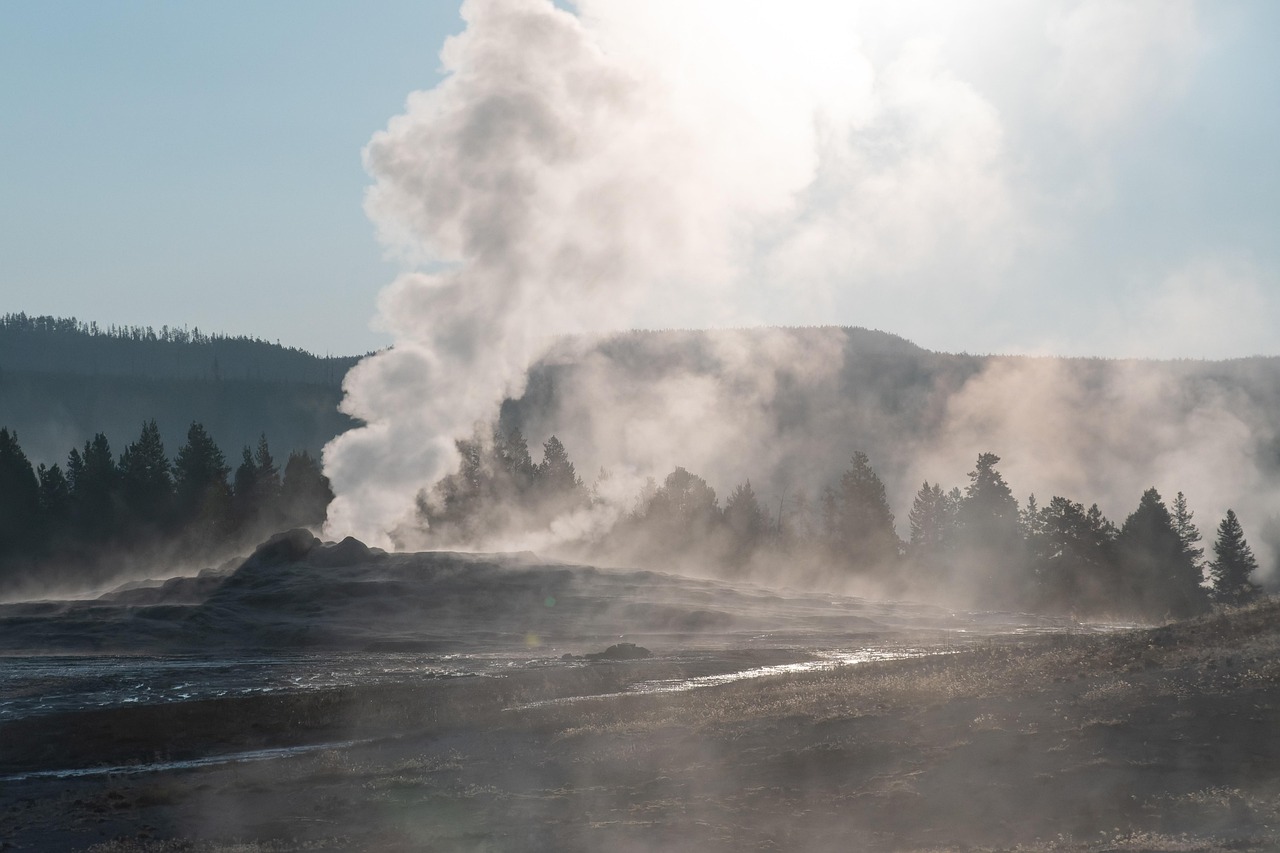
Understanding Yellowstone’s seasonal rhythms is key to unlocking its magic. The park is open year-round, but access to its vast road network is largely limited from November to April, with only the road between the North Entrance (Gardiner, Montana) and the Northeast Entrance (Cooke City, Montana) open to regular vehicles all winter. Each season paints the park in a new light, from the blooming wildflowers of spring to the deep snows of winter. This guide will break down what you can expect during each season to help you determine the perfect time for your Yellowstone journey.
Seasonal Guide to Visiting Yellowstone
Spring (April - May)
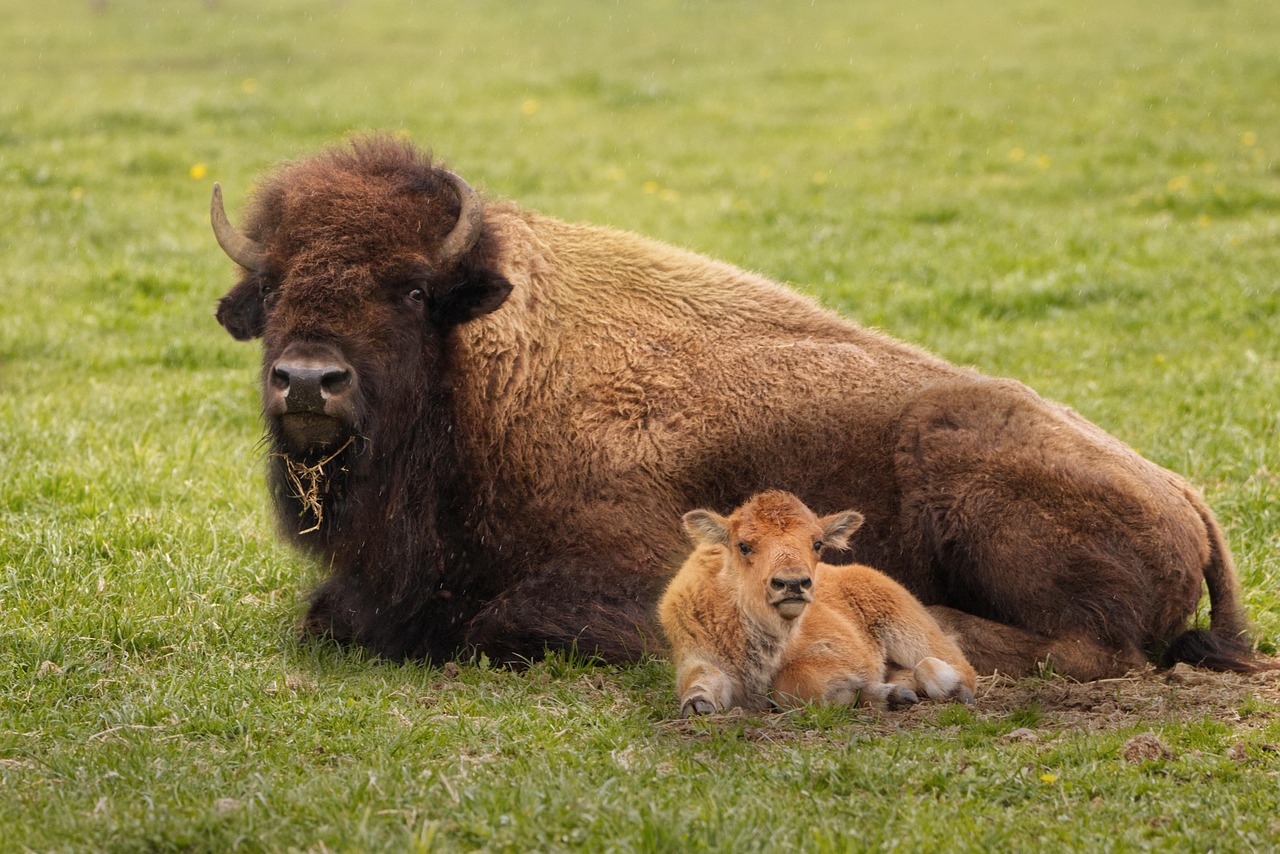
Spring is a time of rebirth in Yellowstone. As the snow melts, the park awakens with vibrant green meadows, rushing waterfalls, and newborn wildlife.
Weather and Conditions: Temperatures are highly variable, ranging from chilly mornings (20s-30s °F) to pleasant afternoons (50s-60s °F). Snow is still possible, especially in May. Park roads begin a staggered opening in mid-April, with the full Grand Loop Road typically open by late May or early June.
Highlights:
- Wildlife Viewing: This is one of the best times to see bear activity (both grizzly and black bears) as they emerge from hibernation. You’ll also have a chance to see bison calves, elk calves, and wolf pups at den sites.
- Fewer Crowds: Before Memorial Day, visitor numbers are relatively low.
- Roaring Waterfalls: Melting snowpack feeds the park’s rivers and waterfalls, making them particularly powerful and spectacular.
Considerations: Be prepared for “mud season” conditions on trails. Some high-elevation areas and backcountry trails may remain closed due to snow. Services and lodging inside the park open on a phased schedule.
Summer (June - August)
Summer is the peak tourist season in Yellowstone, offering the warmest weather and full access to all park roads, trails, and services.
Weather and Conditions: Days are generally warm and sunny (70s-80s °F), though afternoon thunderstorms are common. Nights are cool. This is the most predictable weather for hiking and camping.
Highlights:
- Full Accessibility: All roads, visitor centers, lodges, campgrounds, and concessions are open.
- Ideal Hiking Conditions: Most trails are snow-free and accessible.
- Longer Days: Ample daylight allows for extended exploration.
Considerations:
- Heavy Crowds: Expect large crowds, congested roads, and full parking lots, especially at major attractions like Old Faithful, Grand Canyon of the Yellowstone, and Hayden Valley. Patience is required.
- Advance Planning is Essential: Lodging and campgrounds inside the park often book up months in advance.
Fall (September - October)
Many park enthusiasts consider fall the absolute best time to visit. The summer crowds dissipate, the weather is crisp, and the landscape is set ablaze with golden autumn colors.
Weather and Conditions: September days are pleasant (50s-60s °F) with cold nights. By October, daytime temperatures drop (40s-50s °F), and snow becomes more likely. Park roads begin closing in mid-October.
Highlights:
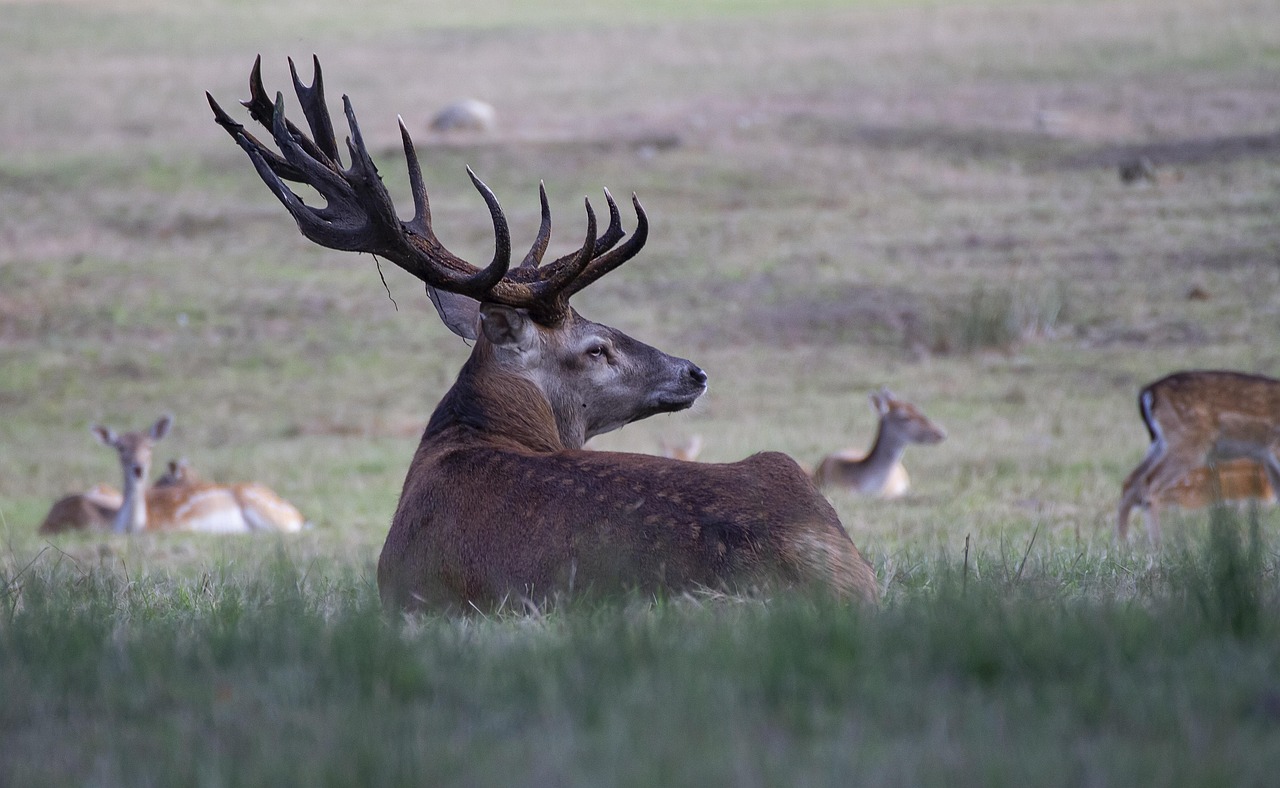
- The Elk Rut: The bugling of bull elk during the mating season is a quintessential Yellowstone experience, especially in Mammoth Hot Springs.
- Spectacular Wildlife: Animals are highly active, fattening up for winter. It’s an excellent time for viewing bears, bison, and birds of prey.
- Minimal Crowds & Peaceful Atmosphere: After Labor Day, visitor numbers drop significantly.
- Beautiful Scenery: Golden aspens and cottonwoods against evergreen forests and steam vents create stunning photo opportunities.
Considerations: Be prepared for rapidly changing weather. Always have warm layers. Services and lodging begin to close for the season starting in early October.
Winter (November - March)
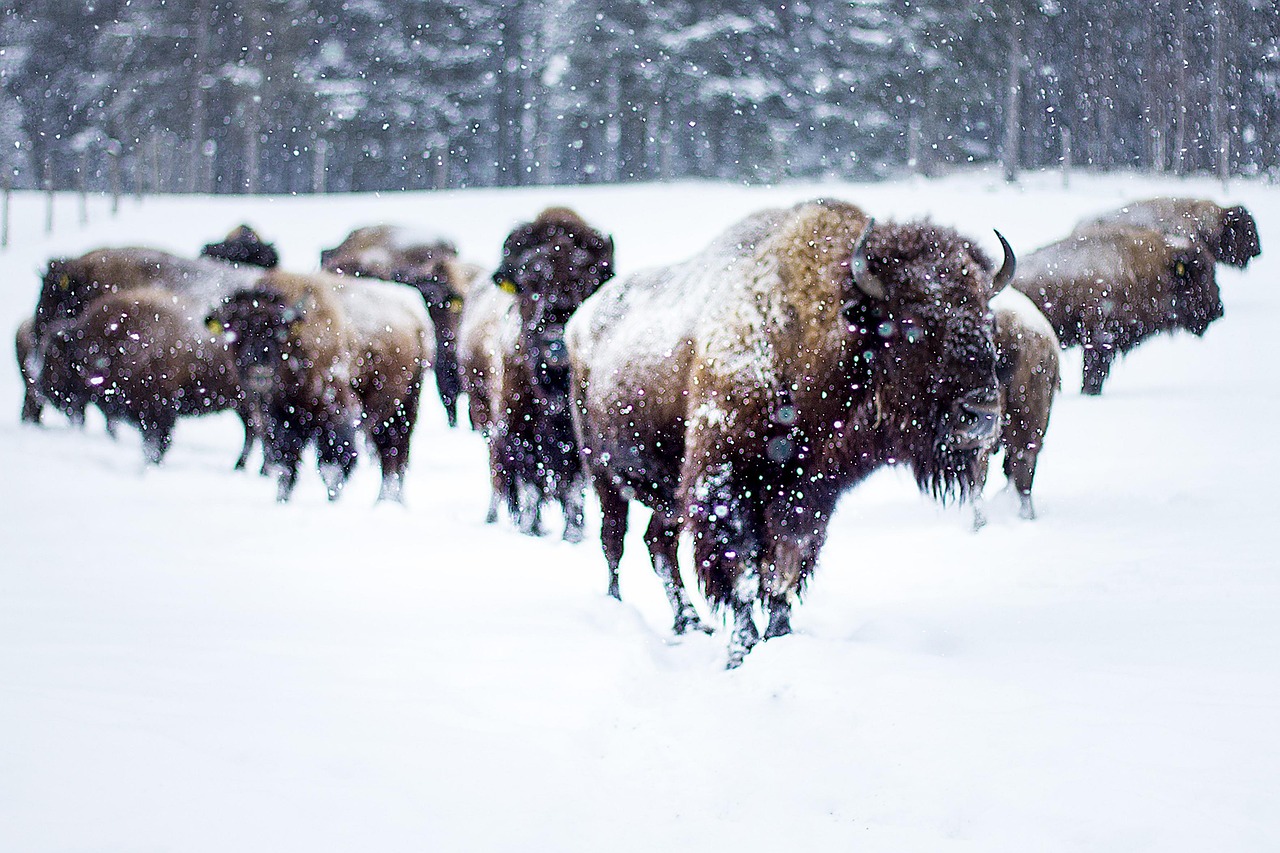
Winter transforms Yellowstone into a silent, snowy paradise accessible primarily via guided snowcoach or snowmobile tours, or by driving to the Lamar Valley from the North Entrance.
Weather and Conditions: Extremely cold, with temperatures often below freezing and frequently dipping below 0°F. Snow blankets the landscape.
Highlights:
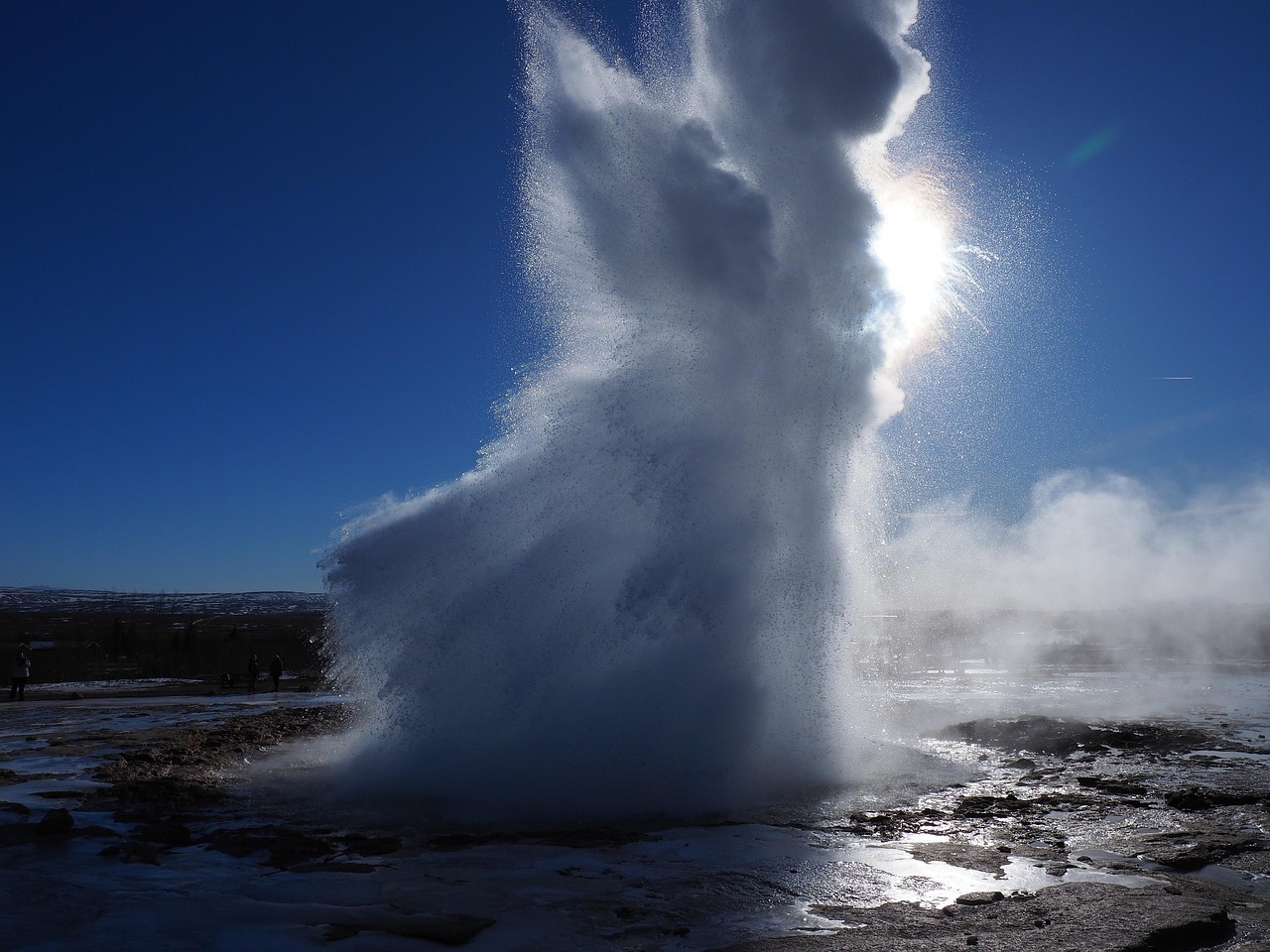
- Unique Geothermal Beauty: Steam from hot springs and geysers rises dramatically against the cold air and snow, creating ethereal scenes.
- Wildlife Viewing: Animals like bison, elk, wolves, and foxes are more visible against the white snow, especially in the Lamar Valley.
- Solitude & Adventure: Crowds are at their absolute lowest. Activities like cross-country skiing, snowshoeing, and snowcoach tours offer a unique perspective.
- Frozen Waterfalls: The park's waterfalls, like the Lower Falls of the Yellowstone, can partially freeze into incredible ice formations.
Considerations: Access is very limited. Most park roads are closed to regular vehicles. You must book guided tours or stay in the limited open lodging (like the Old Faithful Snow Lodge). It requires significant preparation for extreme cold.
Month-by-Month Breakdown
- January-February: Deep winter. Coldest months. Prime for snow-based activities and wolf watching.
- March: Winter persists, but days grow longer. A good time for winter visits with slightly milder temps.
- April: The "spring thaw" begins. Road plowing starts. Wildlife becomes very active. Muddy conditions.
- May: A fantastic month. Most roads open by Memorial Day. Wildflowers bloom. Crowds are still manageable.
- June: Start of peak season. All roads are open. Weather is great, but crowds build quickly.
- July-August: Peak of peak season. Warmest weather, biggest crowds, and all services operational. Book everything far in advance.
- September: Arguably the best overall month. Crowds thin, weather is pleasant, wildlife is active, and fall colors appear.
- October: The elk rut peaks early in the month. Snow begins. Crowds are very low. Roads start closing.
- November: Transition to winter. Most services close. Snowcoach tours begin. A quiet, starkly beautiful time.
- December: Full winter mode. A magical time for a snowy, festive adventure with minimal visitors.
Practical Tips for Your Visit
No matter when you choose to visit, these tips will enhance your experience:
- Book Lodging Early: Accommodations inside the park (lodges, cabins, campgrounds) can book up 6-12 months in advance for the summer and winter seasons. Nearby gateway towns like West Yellowstone, Gardiner, and Cody also fill up quickly.
- Respect Wildlife: Always maintain a safe distance (at least 100 yards from bears and wolves, 25 yards from all other animals). Use binoculars or a telephoto lens for viewing and photos.
- Prepare for Altitude and Weather: Much of the park is above 7,500 feet. Stay hydrated, wear layers, and be ready for sudden weather changes, even in summer.
- Start Your Days Early: Arriving at popular sites before 9 AM helps you avoid the largest crowds and increases your chances of seeing wildlife at its most active.
- Check Official Resources: Before your trip, always check the Yellowstone National Park Service website for current road conditions, weather alerts, construction updates, and animal activity reports.
Conclusion
Ultimately, the best time to visit Yellowstone is when it aligns with your personal travel style and interests. For classic hiking, wildlife watching, and geothermal exploration with fewer people, target the shoulder seasons of late spring (May) and early fall (September). If you don’t mind crowds and want full access with the warmest weather, summer (June-August) is your window. For a completely unique, serene, and frosty adventure, embrace the challenges of winter (December-March). Whenever you go, Yellowstone’s timeless wonders—from the predictable eruption of Old Faithful to the unpredictable sight of a wolf pack on the hunt—promise an unforgettable experience. With careful planning tailored to the season, your trip to America’s first national park will be nothing short of extraordinary.
Related Articles
Cover image coming soon
Best Time to Visit Thailand
Discover the best time for visit thailand. Complete guide with expert tips and data-driven insights.

best time to visit walt disney world in florida
when is the best time to go to costa rica
best time to visit redwood national park
best time to visit the galapagos islands
